





Back to Routine Style: Polished Looks for Returning to Work
07
Jan
After the looseness of the holidays, January arrived with a different kind of energy. Routines return, calendars fill up again, and mornings call for structure. What you wear during this transition plays a bigger role than you might think. The right outfit can help you feel grounded, focused, and quietly confident as you step back into everyday rhythm.
Back-to-work style doesn’t have to feel rigid or overly formal. The key is balance. Pieces that feel refined but comfortable, intentional without being restrictive. January dressing is about easing back in, not snapping back.
.jpg?1768488914930)
Reintroduce Structure, Gently
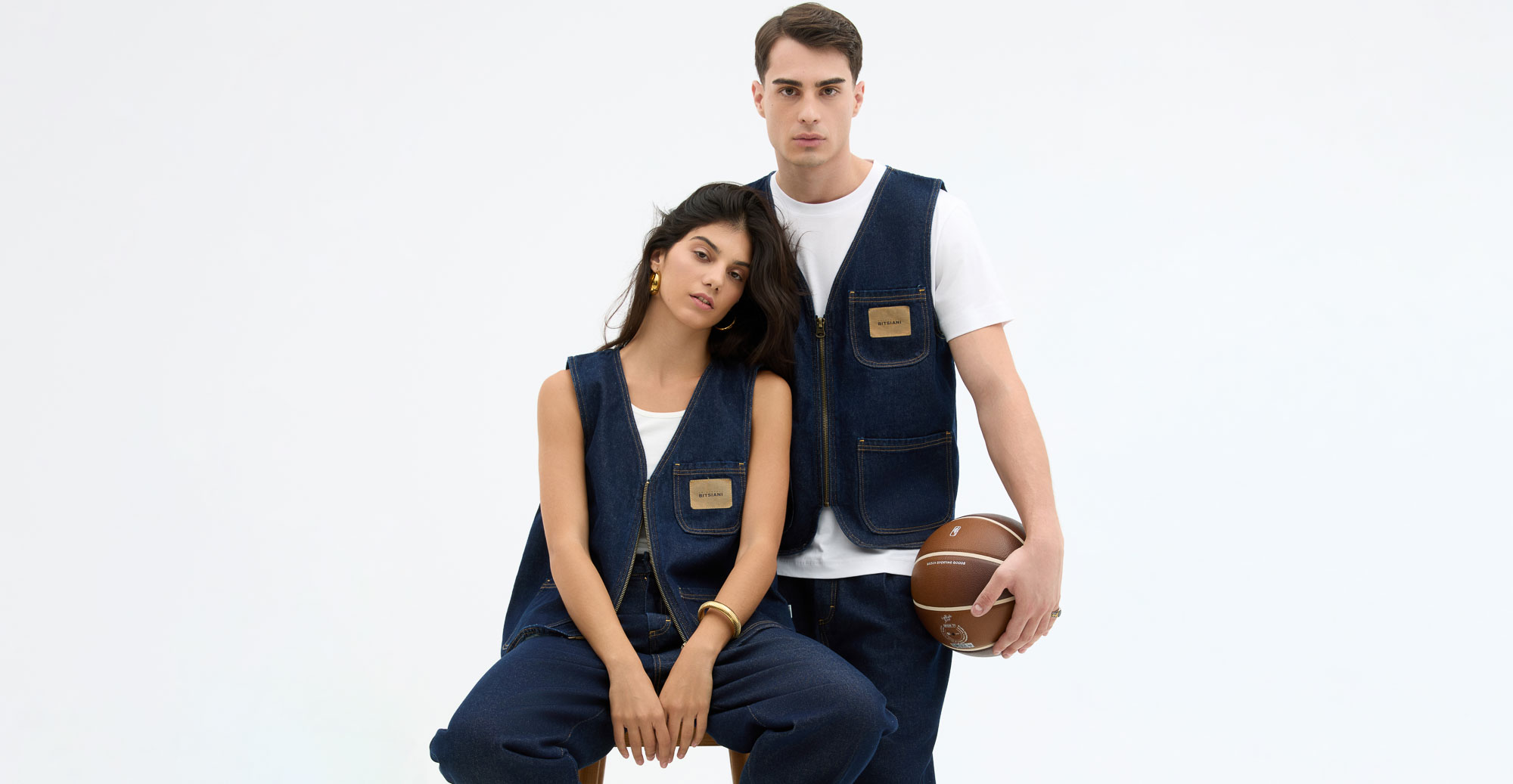
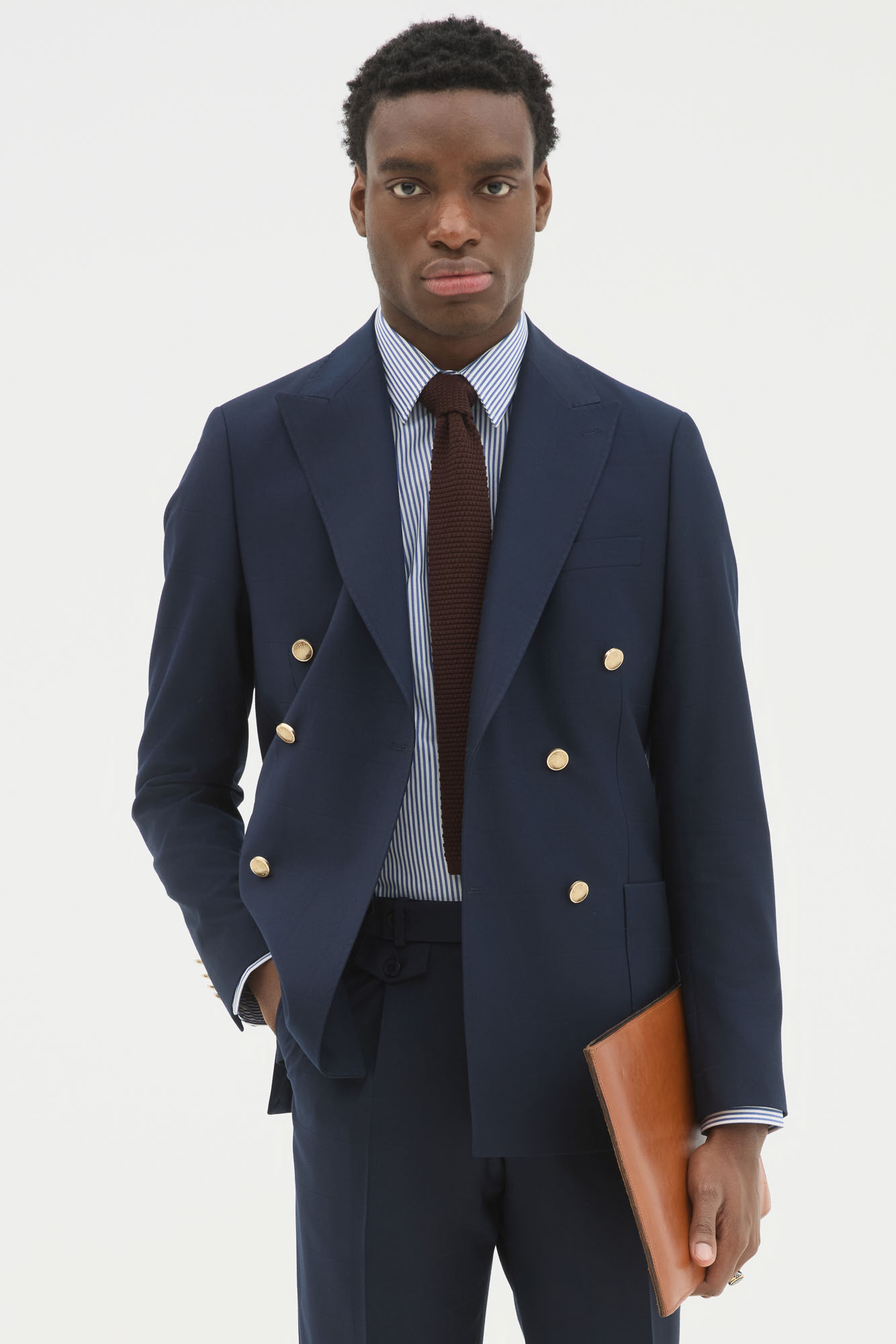
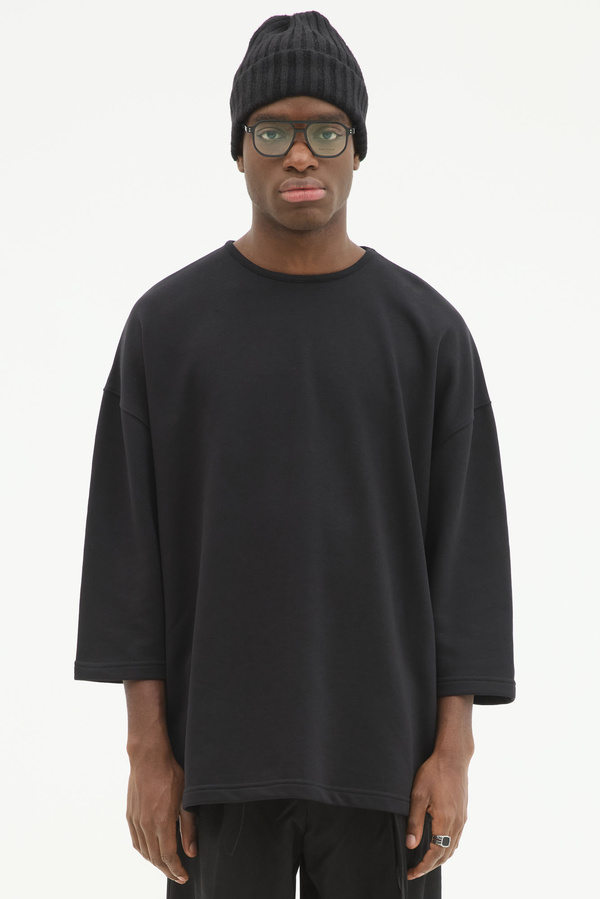
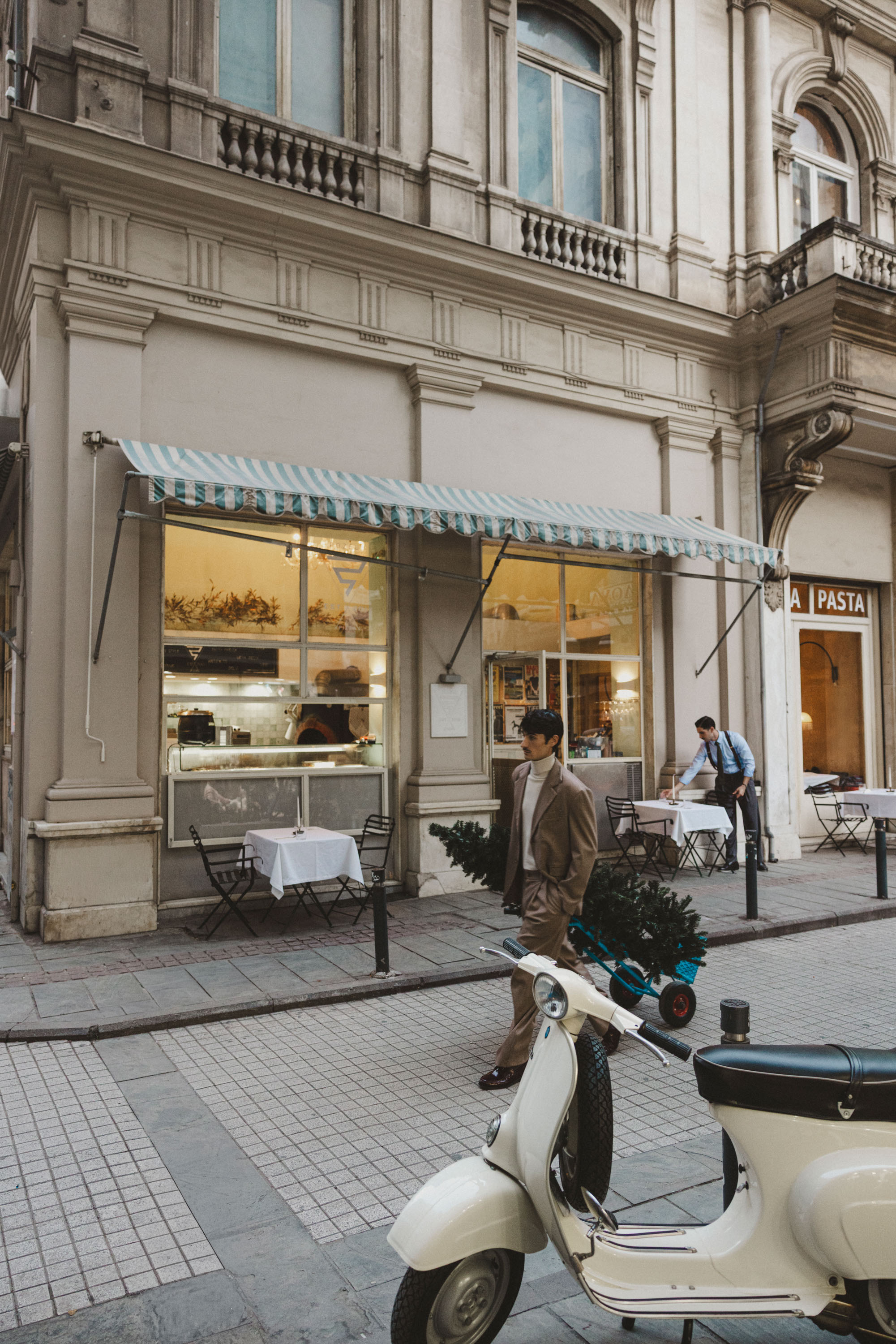
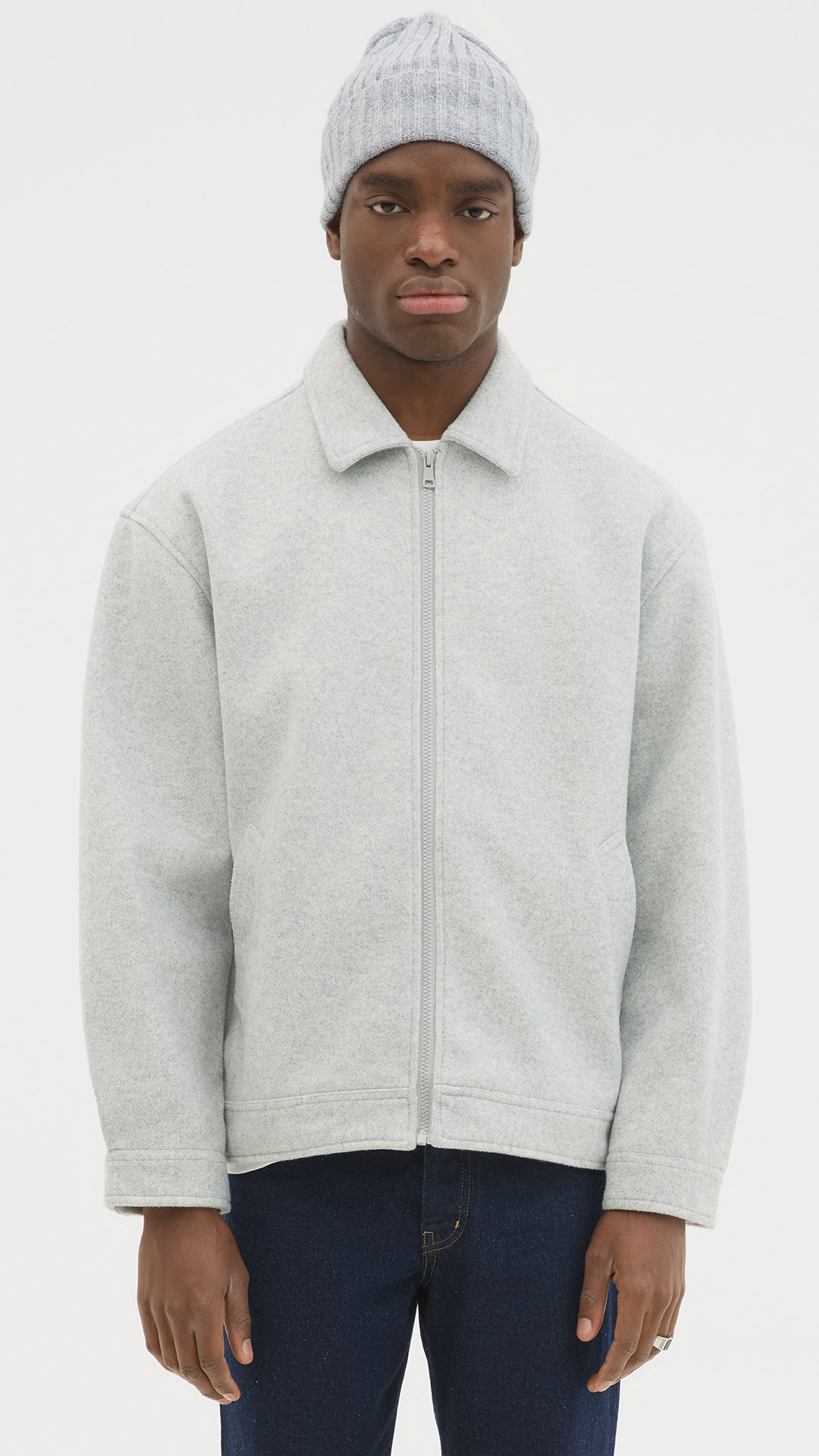
After weeks of relaxed silhouettes, structure helps signal a shift in mindset. This doesn’t mean stiff tailoring or uncomfortable fits. Think clean lines, soft structure, and garments that hold their shape while still allowing movement.
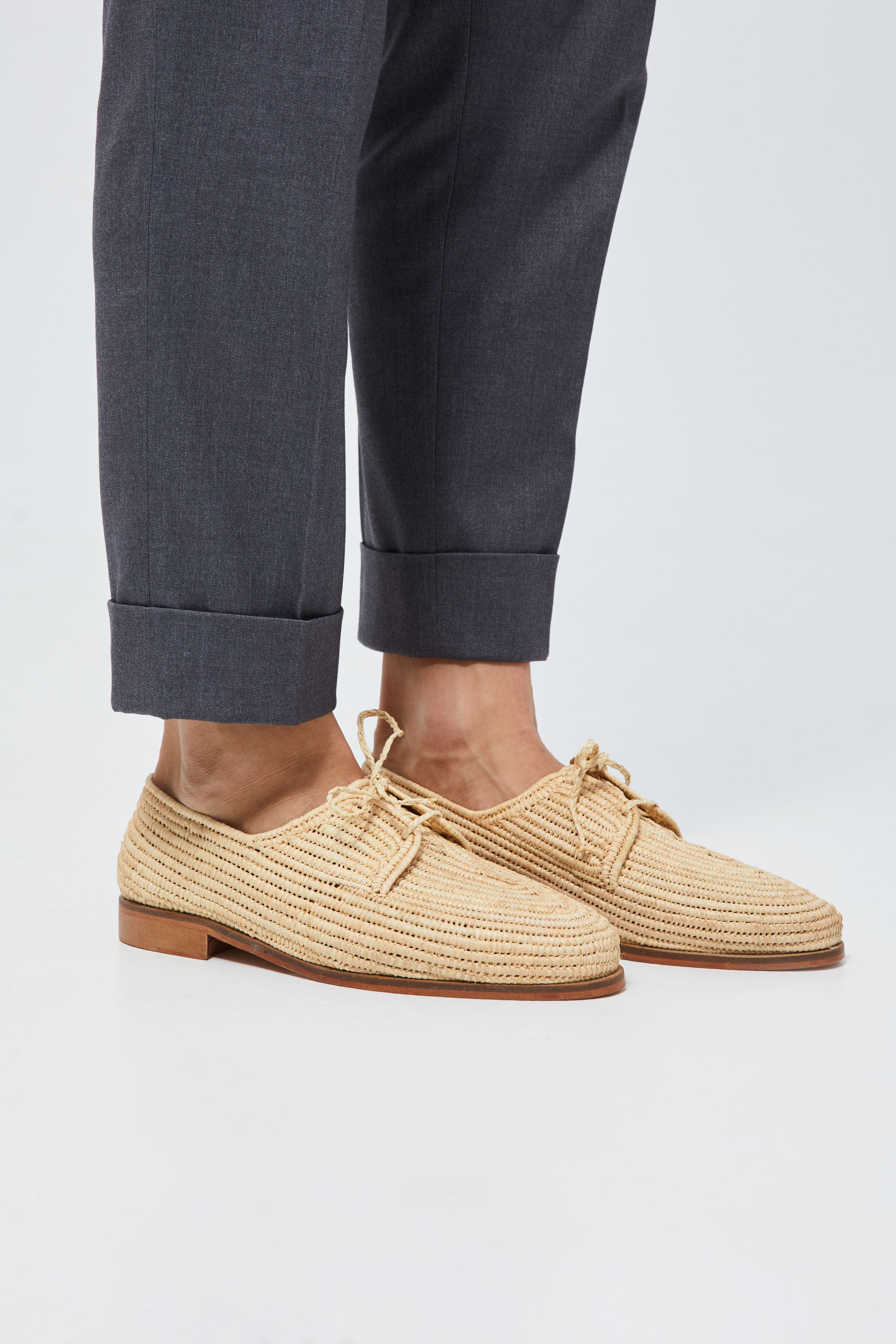
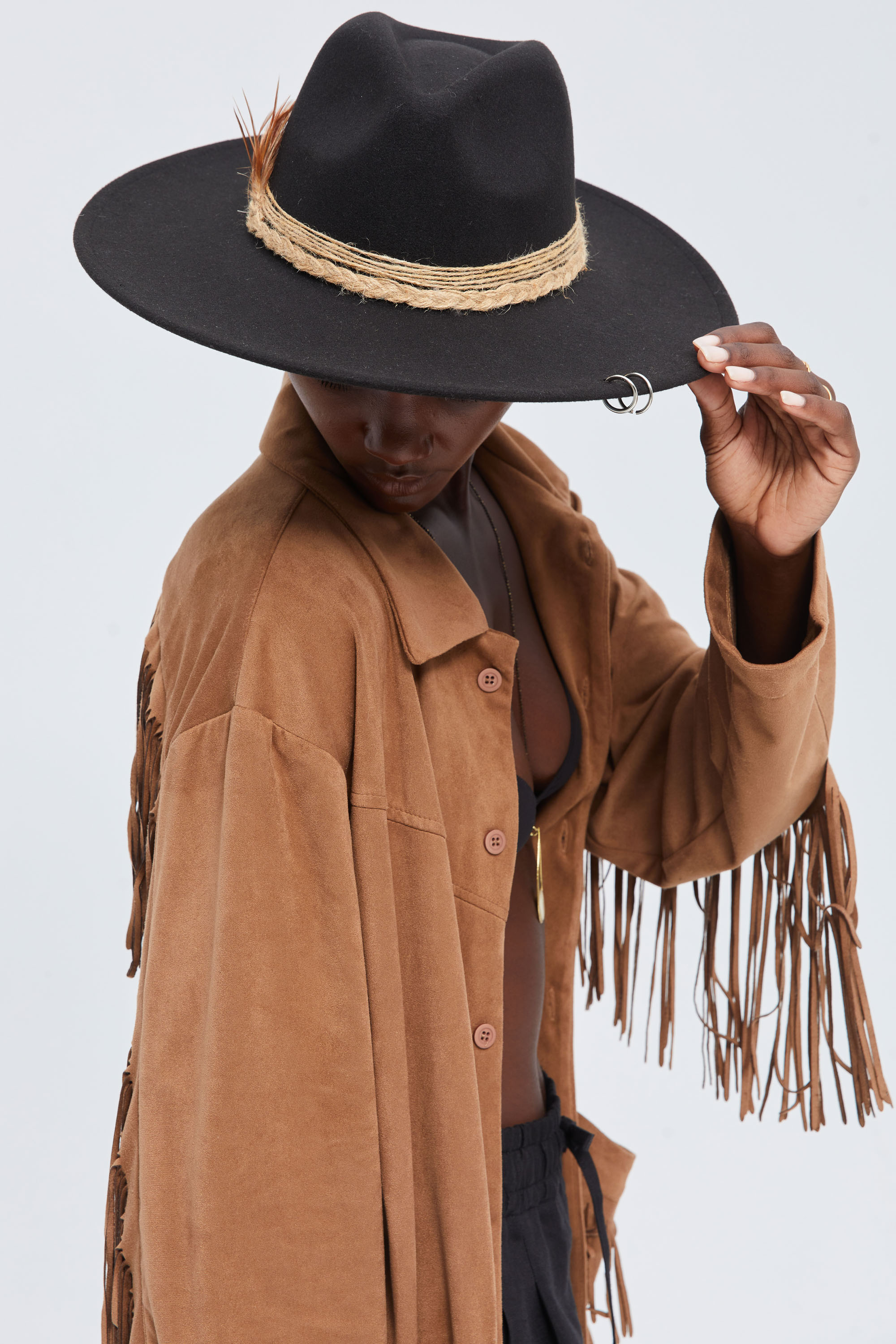
An overshirt, a refined knit, or a well-cut pair of trousers instantly brings polish to your look. These pieces act as anchors, creating definition without feeling heavy or formal. Start with one structured element per outfit and build around it.
.jpg?1768488922243)
Build Around Elevated Basics
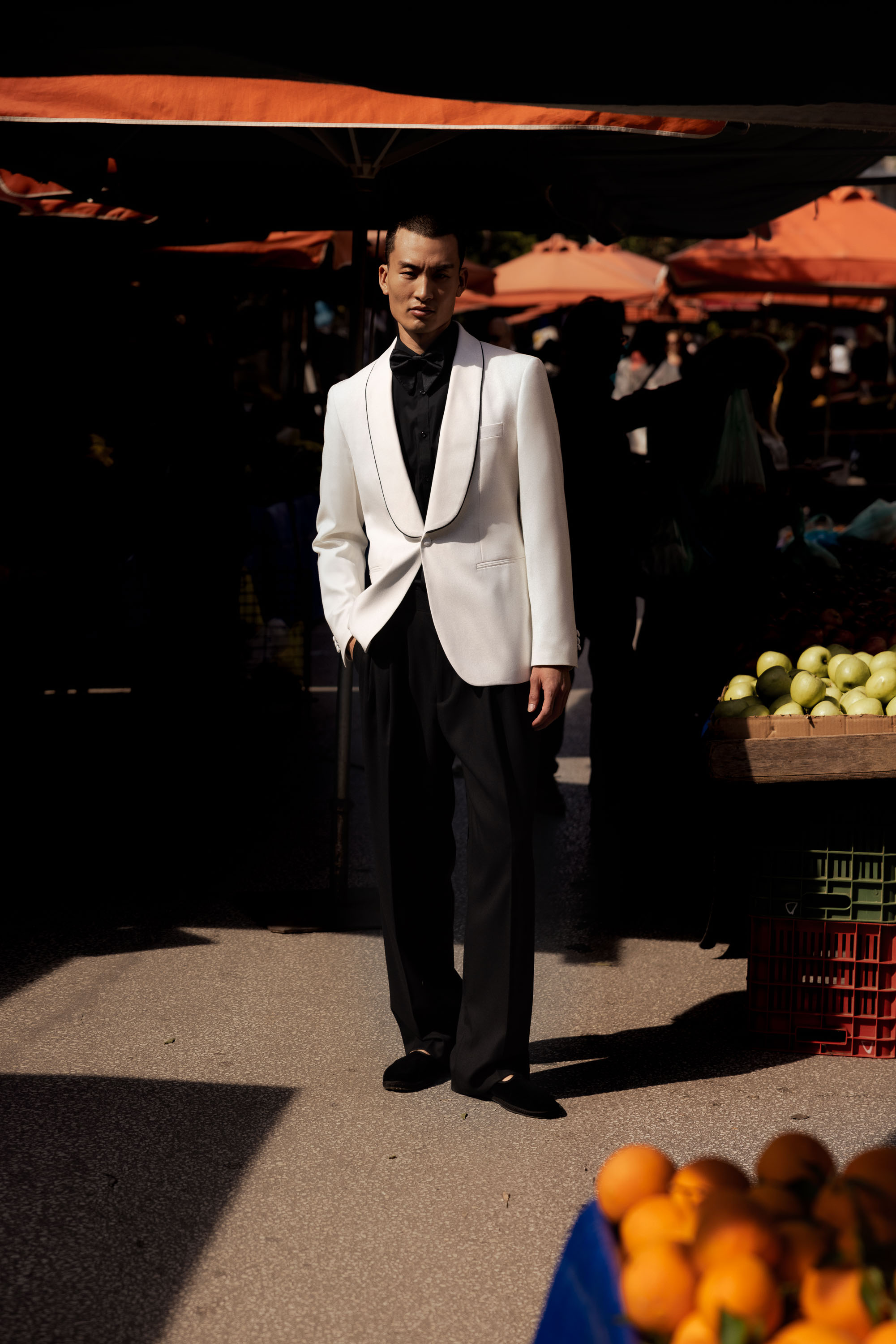
January is not the month for experimentation overload. It’s the time to rely on strong foundations. Elevated basics are pieces that feel familiar but look considered.
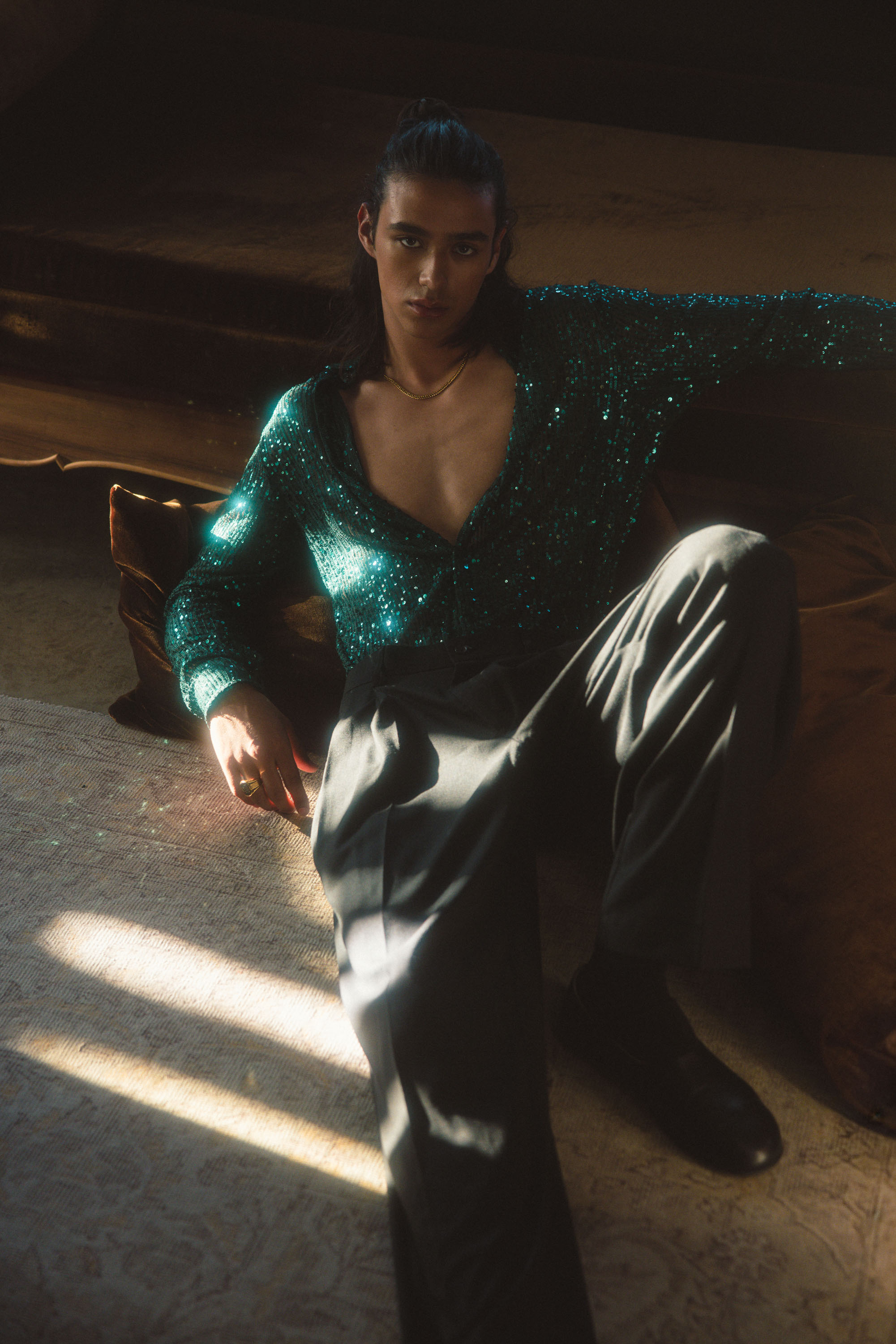
A premium long-sleeve top, a fine-gauge knit, or a clean button-up can form the base of multiple outfits. When basics fit well and are made from quality materials, they do most of the work for you. The result feels effortless but intentional, exactly what returning to routine calls for.
.jpg?1768488933075)
Keep the Palette Calm and Cohesive
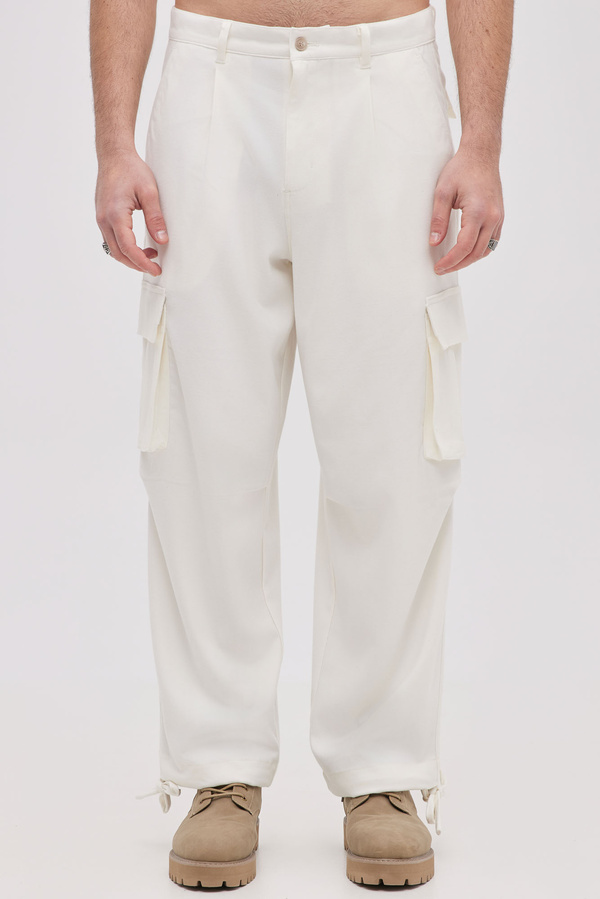
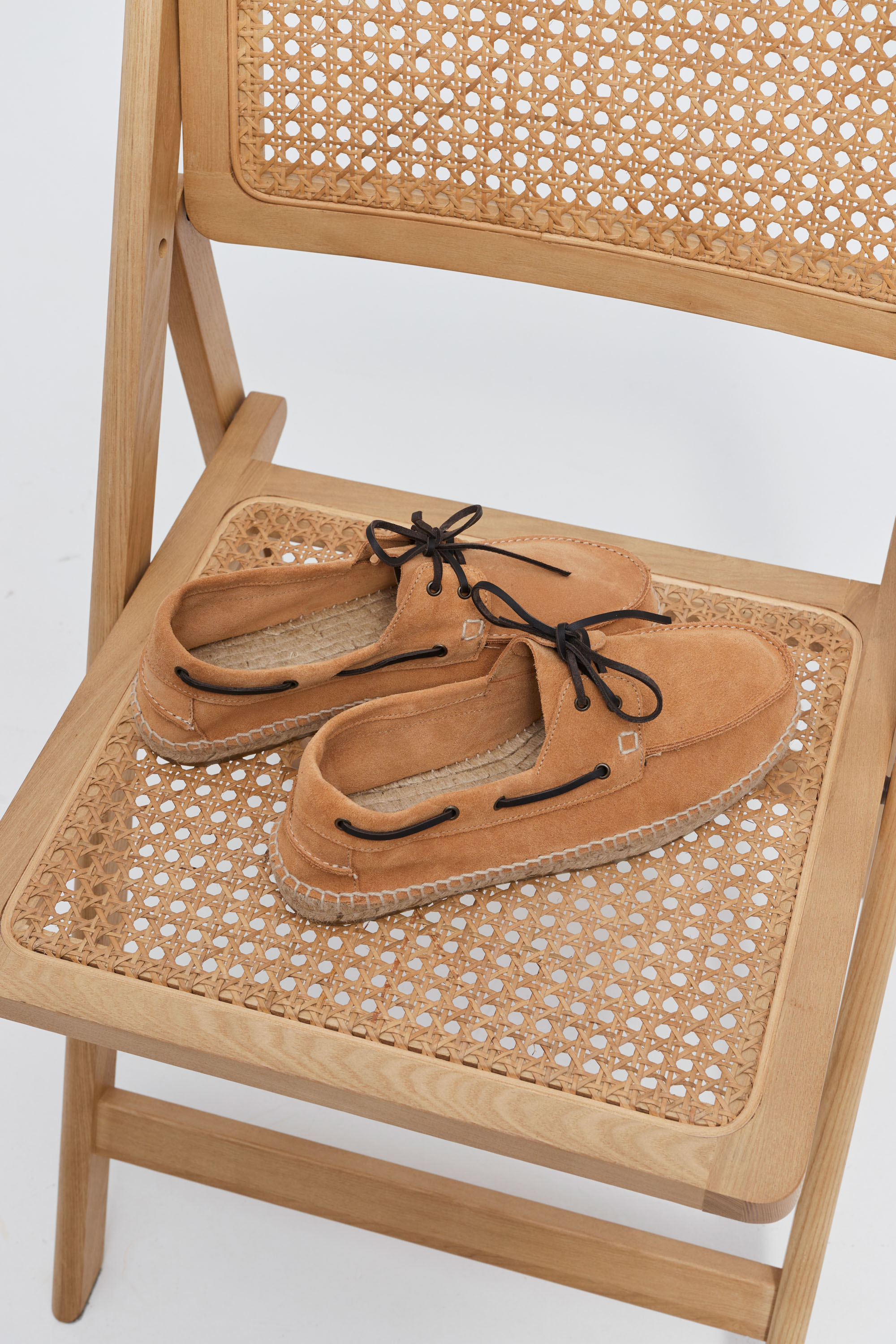
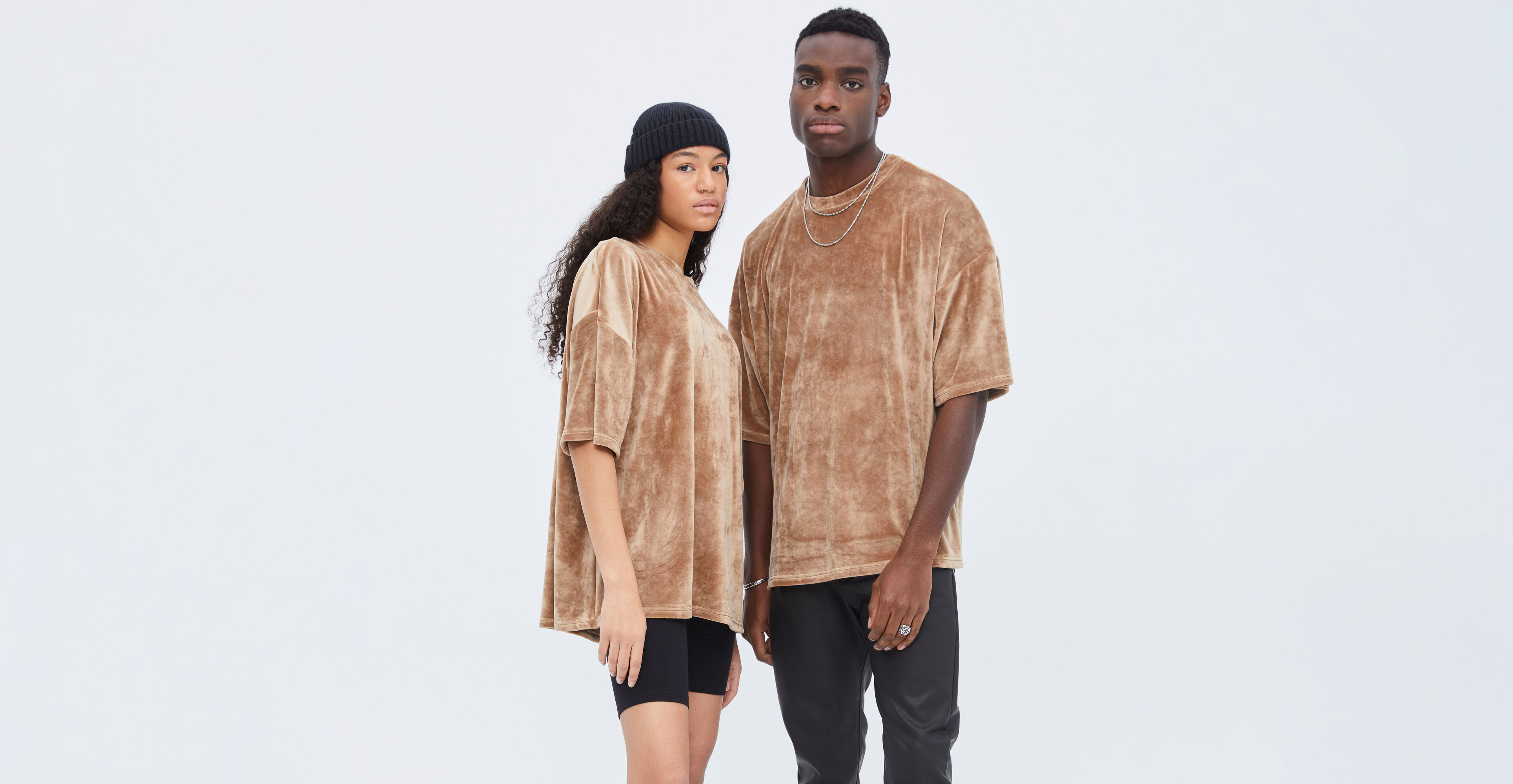
Color plays a subtle role in how an outfit feels. For early January, calmer tones help create visual clarity. Neutrals like grey, beige, navy, soft brown, and black are easy to combine and naturally refined.
Dressing within a limited palette simplifies mornings and makes outfits feel cohesive. You can still add depth by mixing shades within the same family or layering different textures in similar tones.
.jpg?1768488944067)
Prioritize Comfort That Still Looks Polished
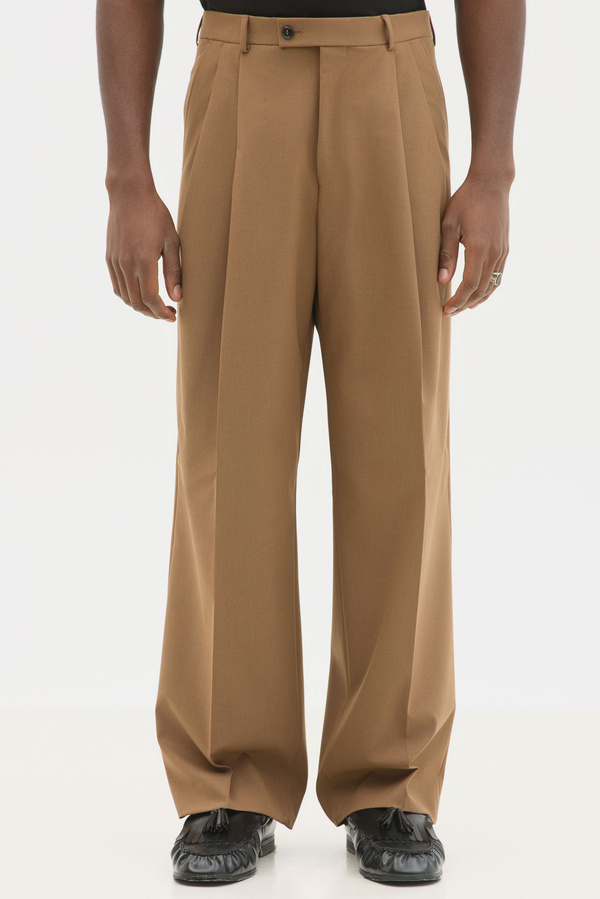
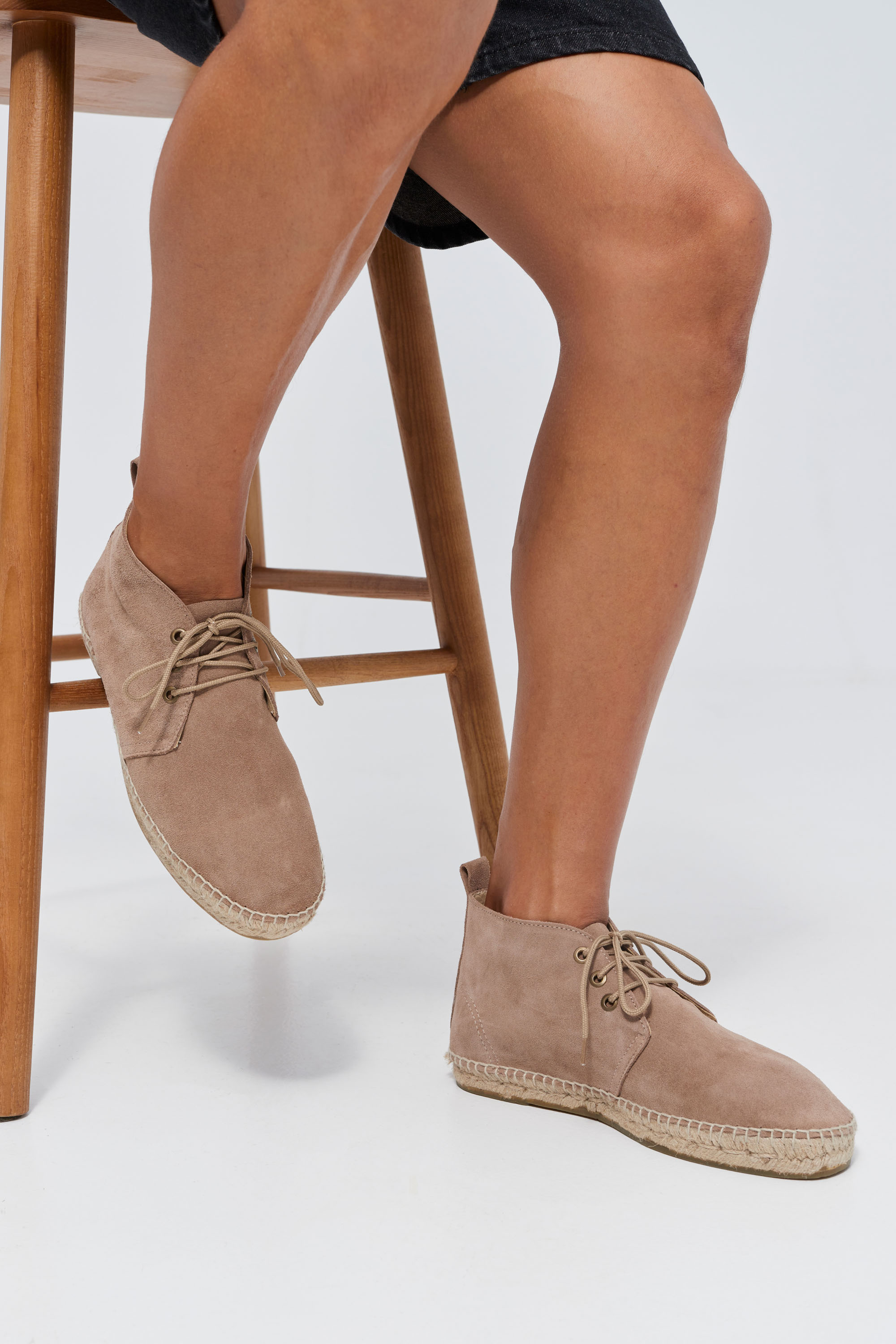
Comfort isn’t optional when you’re settling back into long workdays. The difference lies in choosing comfort that doesn’t look casual.
Look for soft knits that retain structure, trousers with relaxed movement but clean lines, and layers that feel light rather than bulky. When you’re physically comfortable, you move differently. Your posture improves, your confidence follows, and your outfit looks better because of it.
.jpg?1768488955292)
Create Reliable Outfit Formulas
Decision fatigue is real, especially after the holidays. One of the smartest ways to dress for January is to create simple outfit formulas you can rely on.
For example:
-
a refined base layer plus a knit and an overshirt
-
a clean shirt paired with relaxed trousers and a structured outer layer
-
a tonal look built around one neutral family
These formulas remove guesswork and help you stay consistent without feeling repetitive.
Dressing for the Return, Not the Rush
January style is about intention, not pressure. It’s about choosing pieces that support your routine, reflect where you are now, and make getting dressed feel calm rather than rushed.
By focusing on structure, elevated basics, and thoughtful combinations, you create a wardrobe that works with you as you transition back into everyday life. Polished doesn’t mean formal. It means considered. And that’s exactly the energy January calls for.

COPYRIGHT 2025/ALL RIGHTS RESERVED
DESIGNED IN GREECE

THE BRAND
CUSTOMER SERVICE
- +30 2310 692942
MONDAY-FRIDAY 09:00-17:00
Follow us
POWERED BY BNS PRO