







Self-Care Through Style: Dressing for Yourself
25
Feb
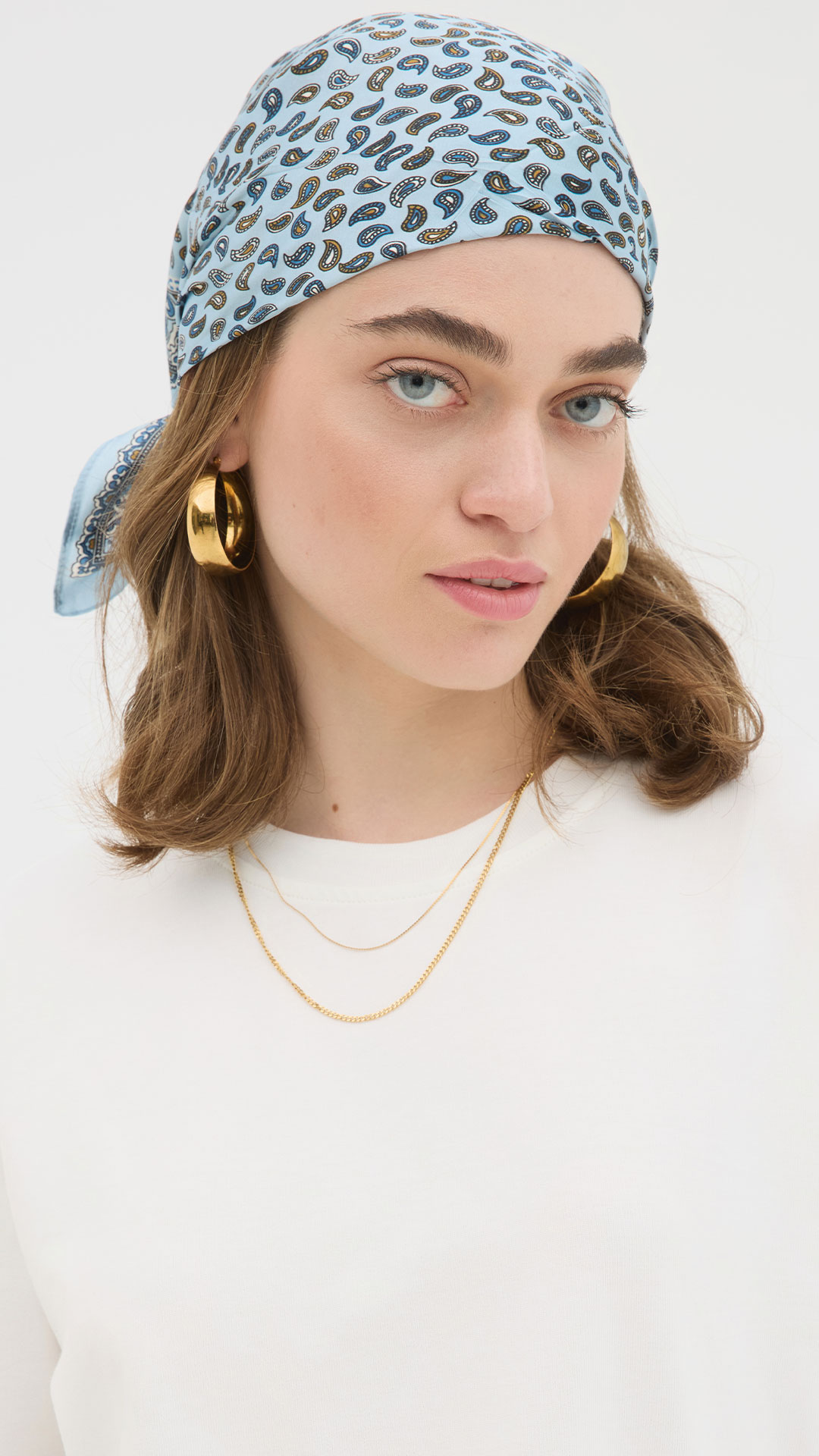
The pace softens, the days are still cold, and routines settle into something more grounded. It’s a period that invites reflection — and your wardrobe can be part of that shift.
Self-care isn’t always about grand gestures. Sometimes it’s about the small, daily choices that make you feel steady, comfortable, and aligned. The way you dress is one of them.
Dressing for yourself means choosing pieces that support your rhythm — not expectations, not trends, not external pressure.
Start with Comfort as a Foundation
True comfort isn’t careless. It’s considered.
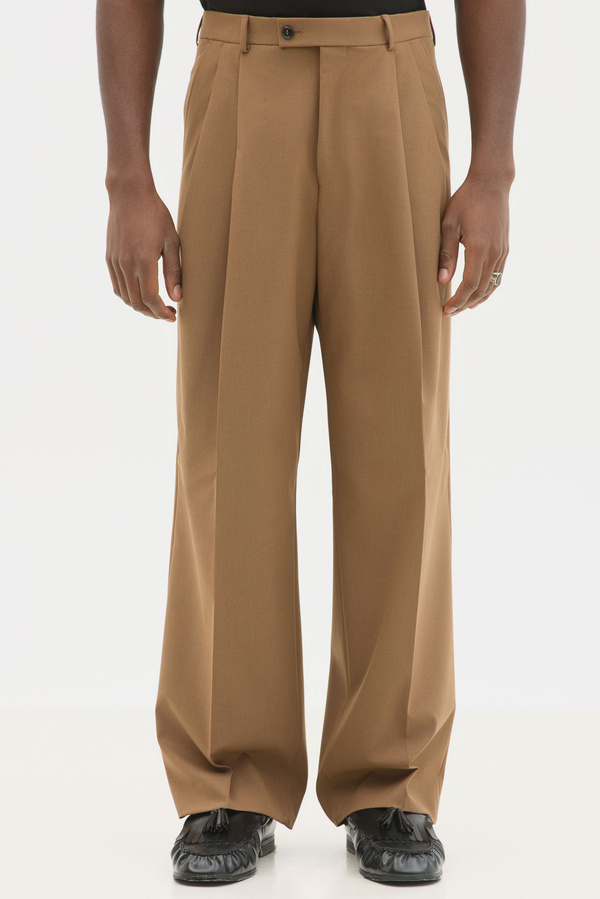
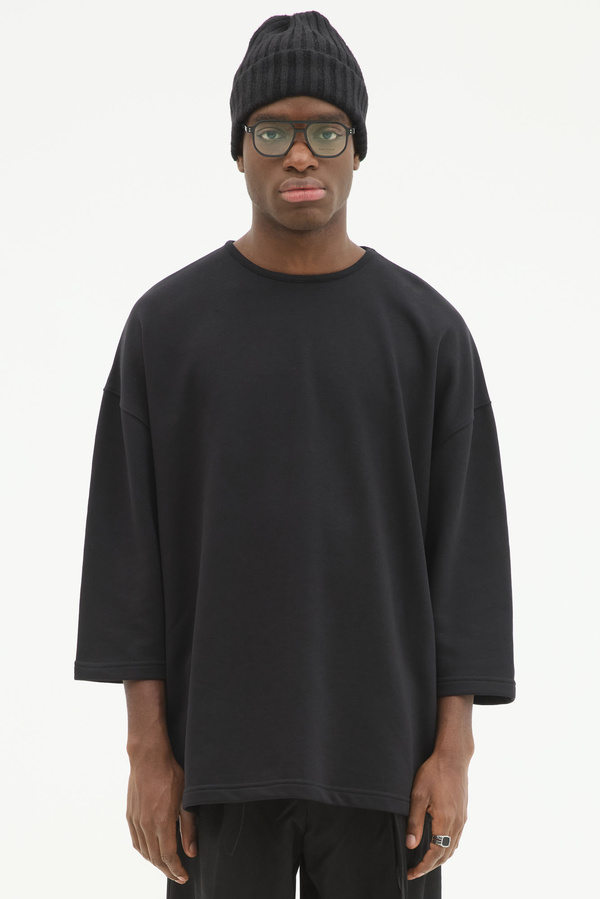
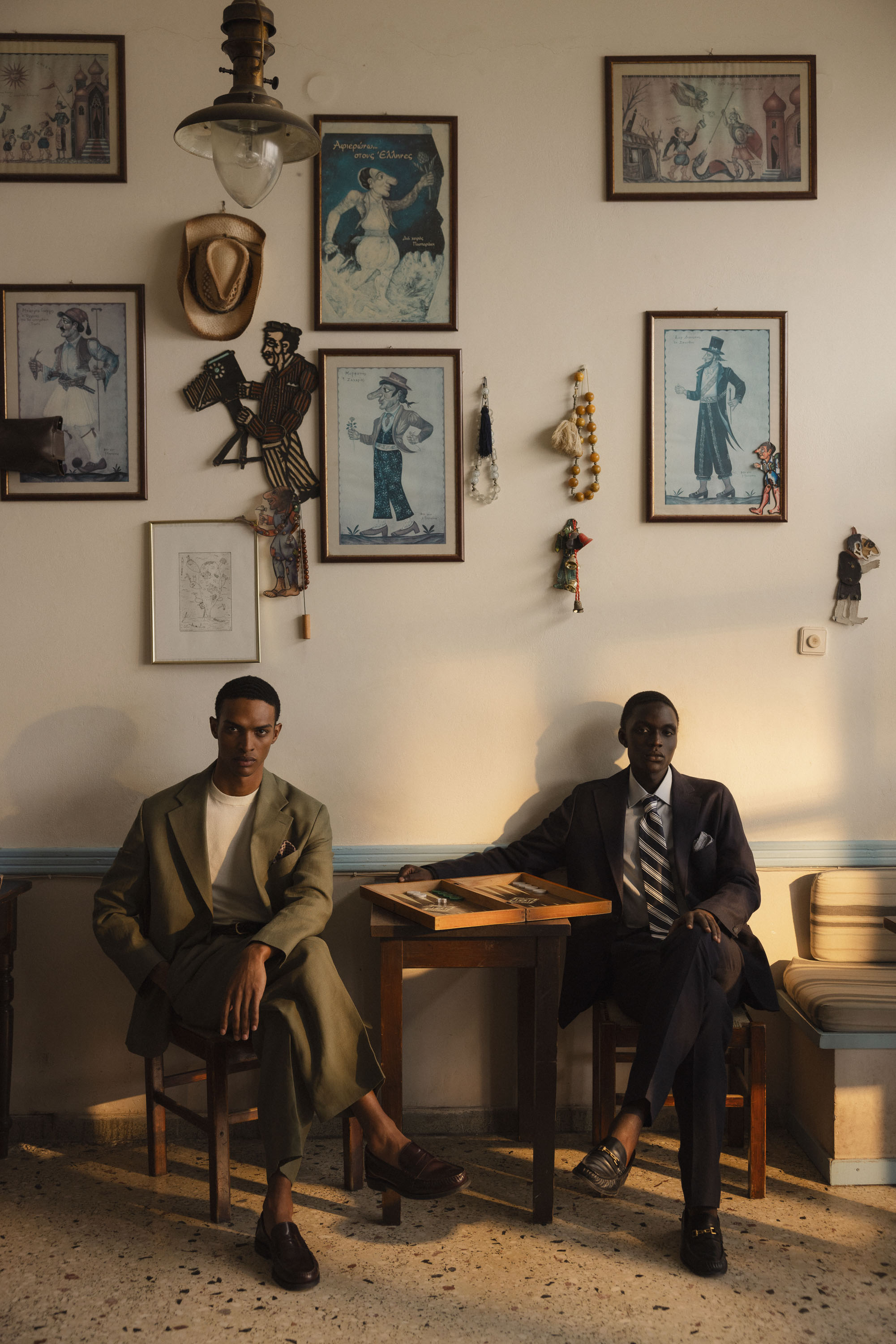
Soft knits that feel good against the skin. Relaxed trousers that allow movement without losing structure. Layers that warm without overwhelming. When your clothes feel physically comfortable, your mind moves differently — calmer, clearer.
Prioritize fabrics with substance and softness. Pieces that hold their shape while allowing you to move naturally through the day.
.jpg?1772015816216)
Choose Colors That Ground You
Color has emotional weight.
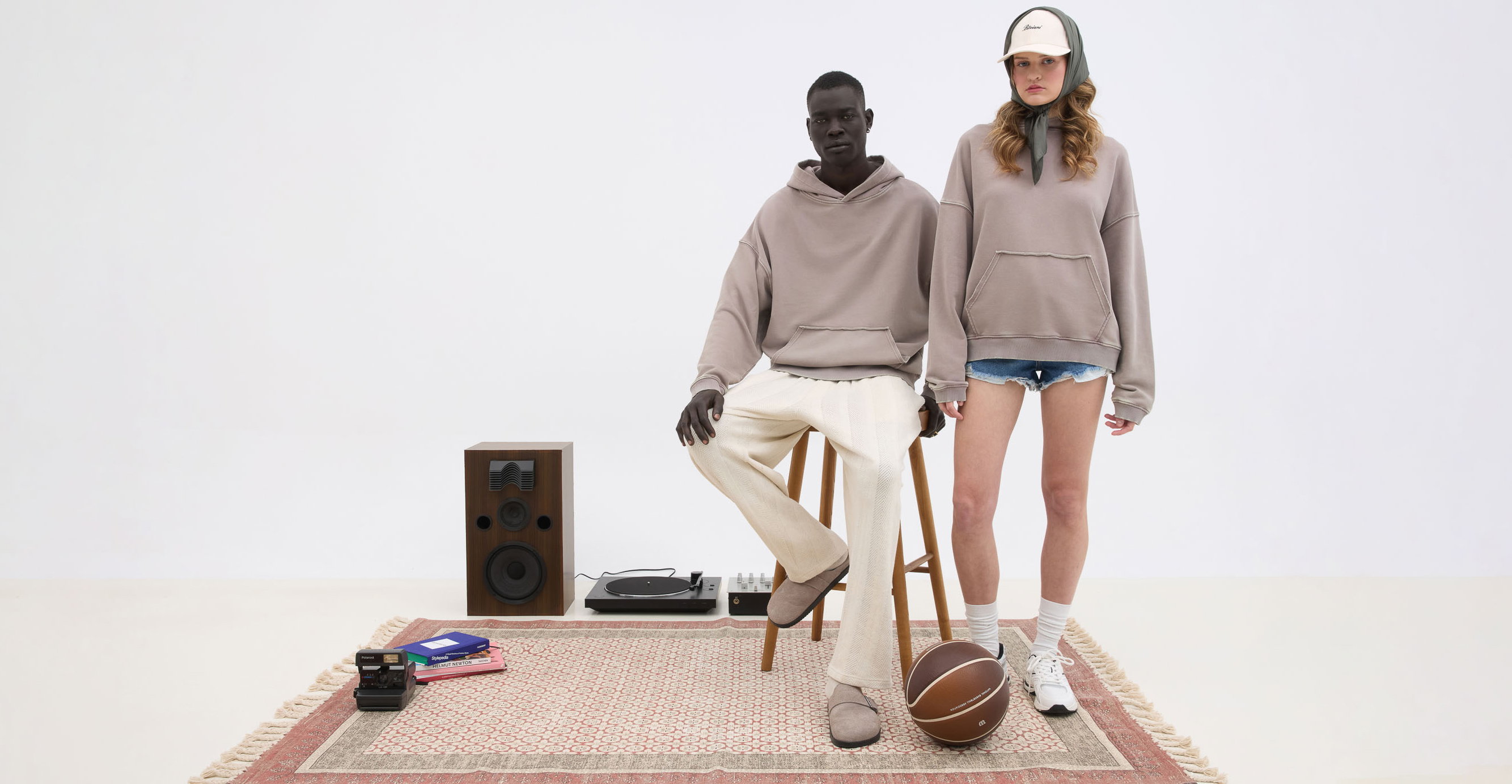
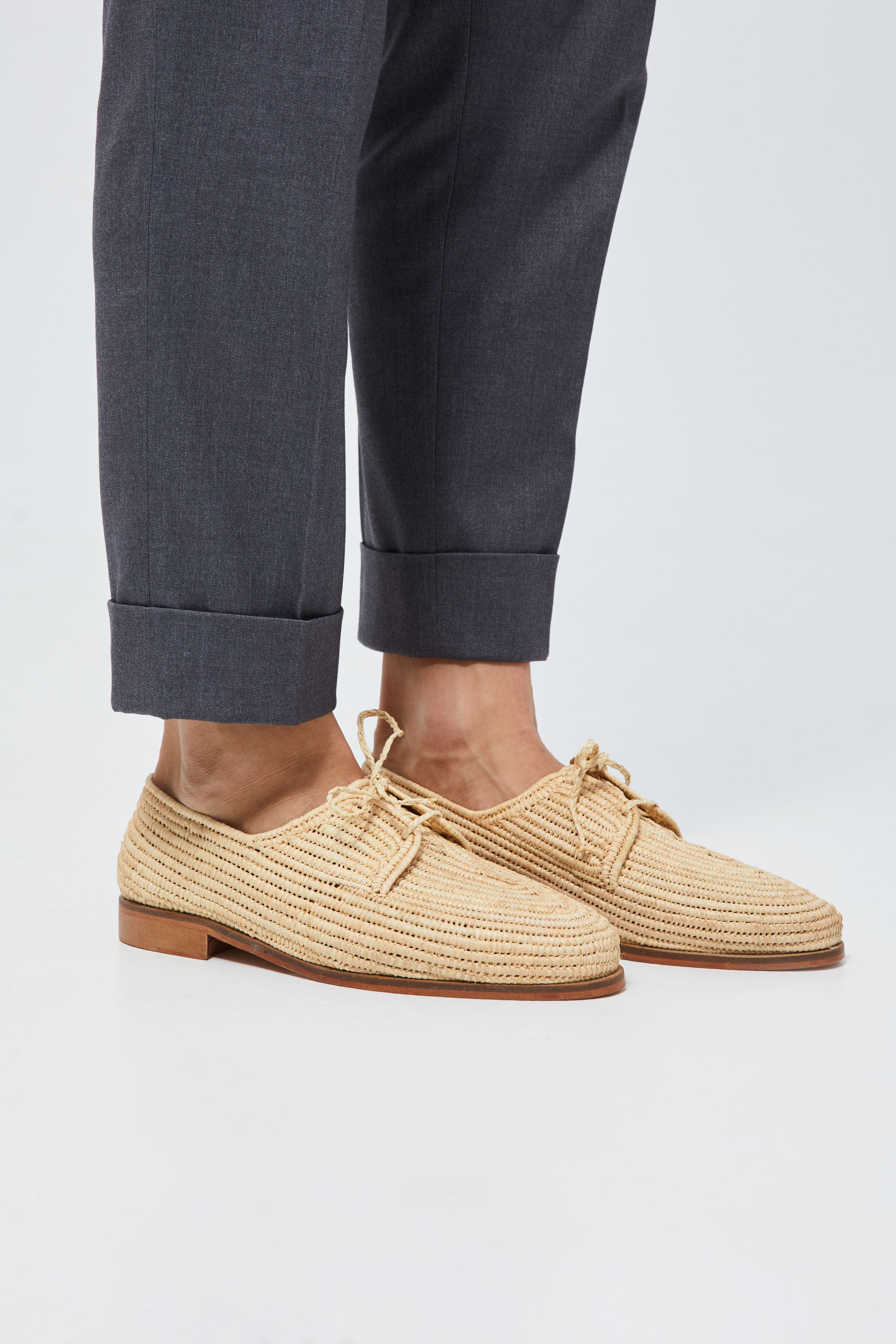
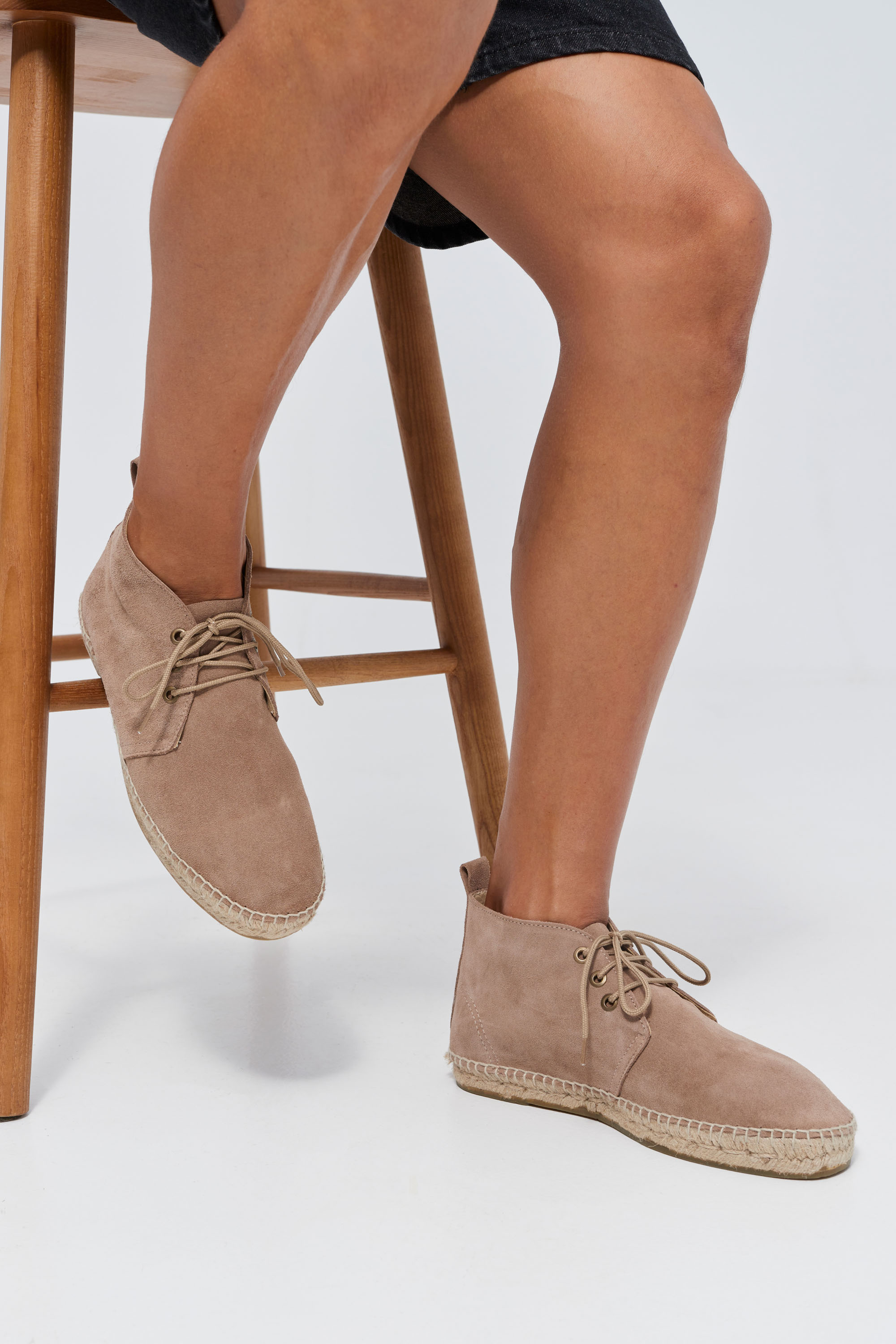
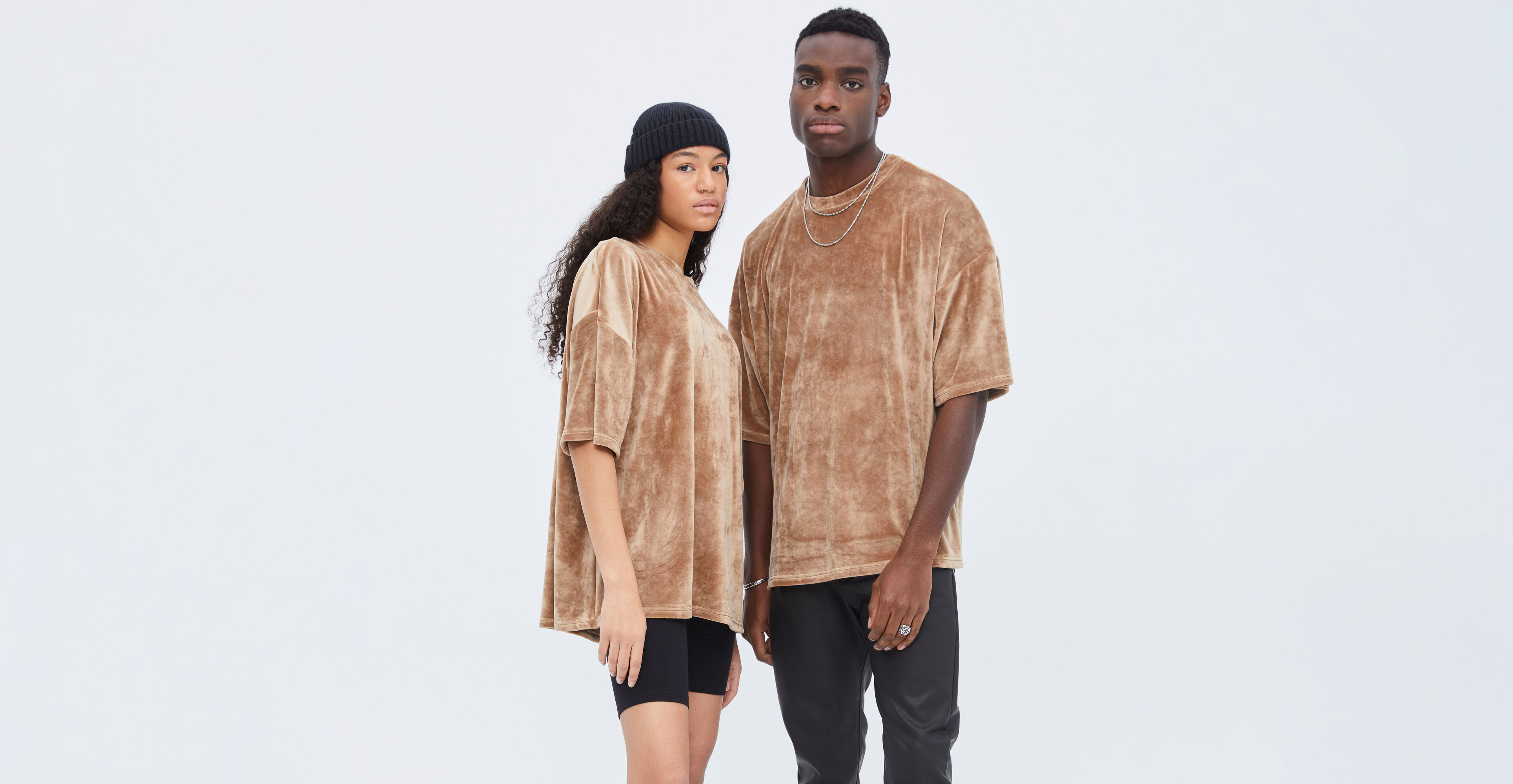
Grounding tones often feel right — warm neutrals, soft greys, muted browns, deep navy, stone. These shades create visual calm and make outfits easier to assemble without overthinking.
A tonal look in one family of neutrals can feel especially soothing. It removes decision fatigue and creates quiet cohesion.
.jpg?1772015826889)
Pay Attention to Fit, Not Size
Self-care in dressing often comes down to fit.
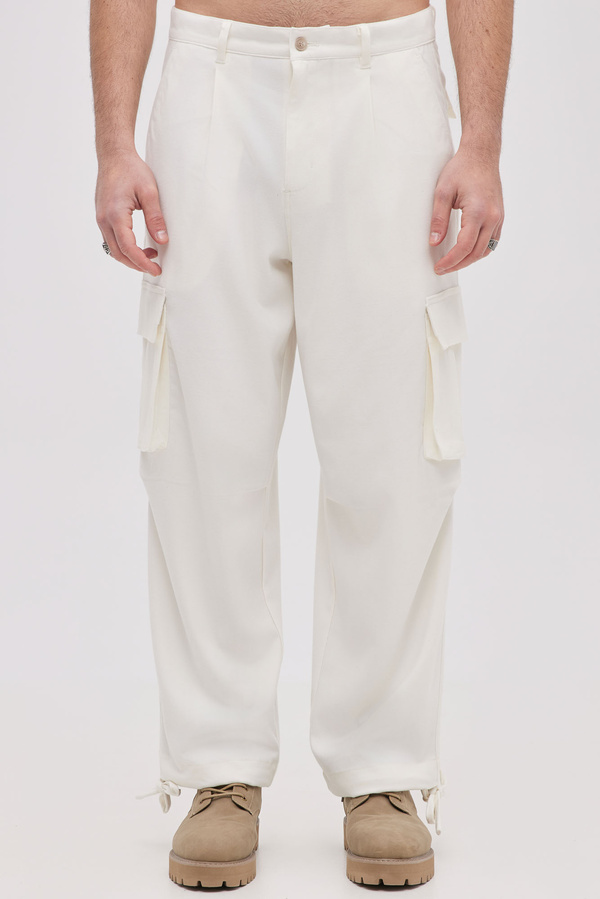
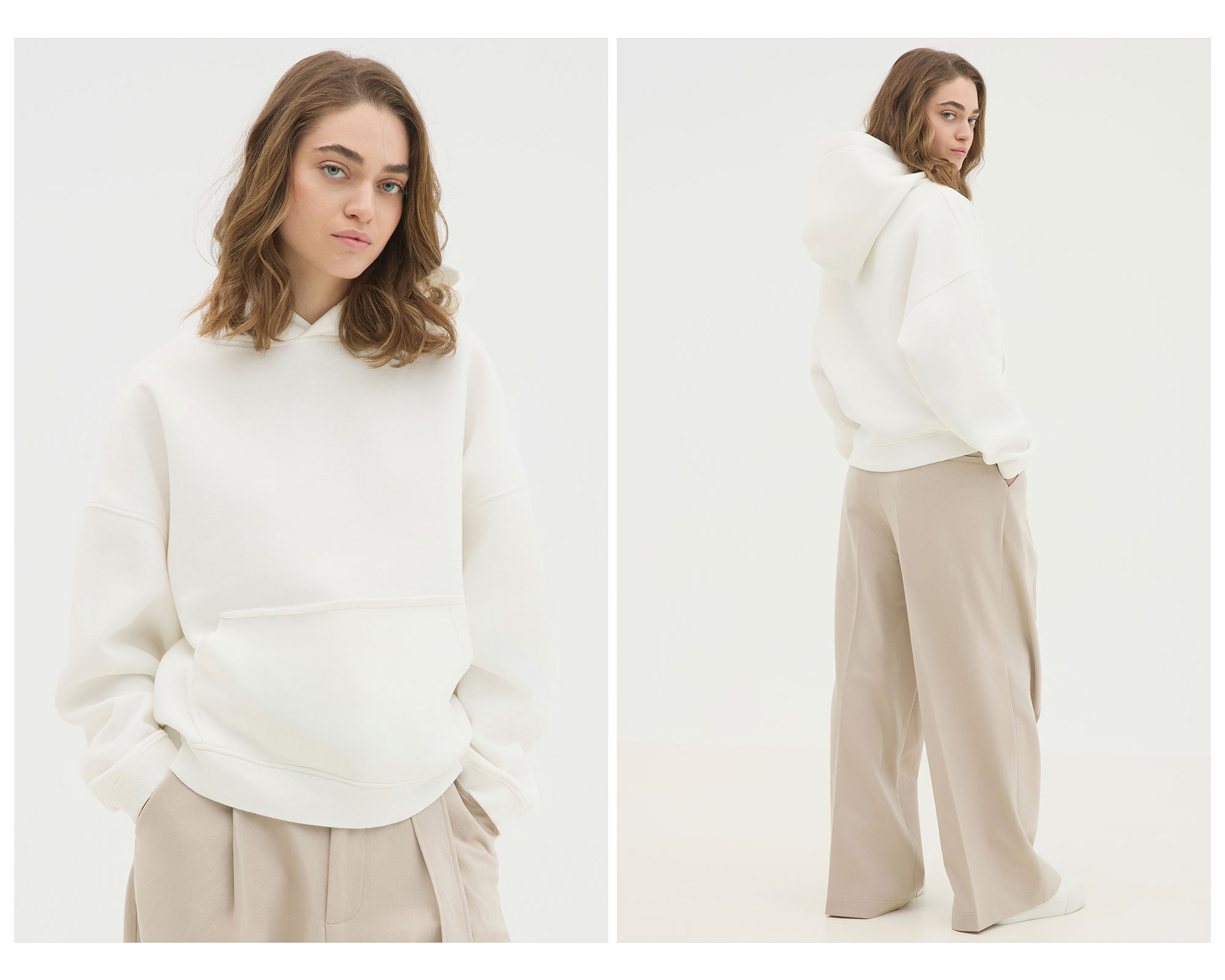
Clothes that pull, cling, or restrict subtly affect how you feel. Instead, choose silhouettes that follow your shape without constraining it. Structured but forgiving. Defined yet breathable.
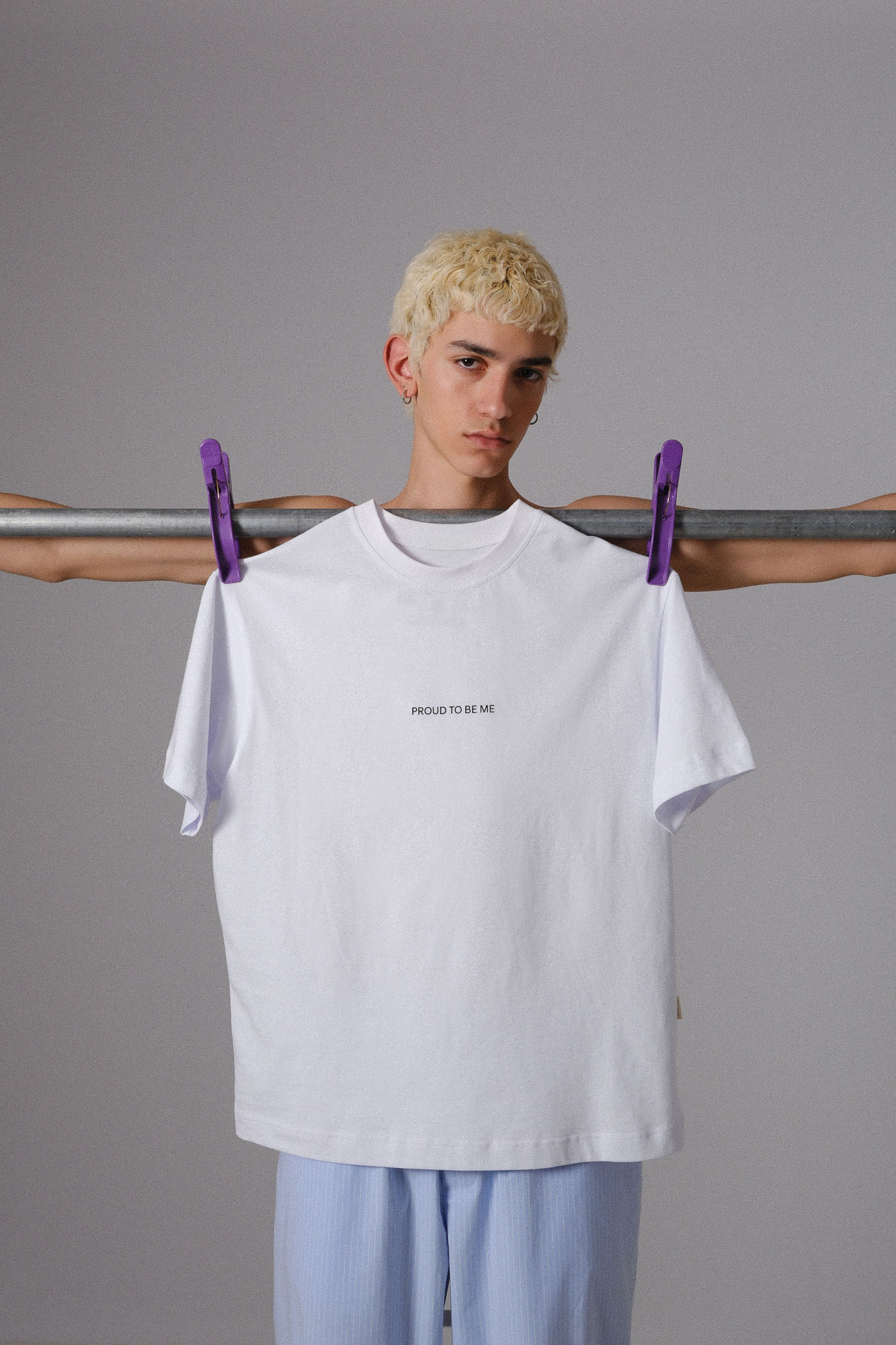
A hoodie set, straight-leg trousers, or a softly tailored layer can provide both clarity and ease.
.jpg?1772015840233)
Reduce Decision Fatigue
Part of dressing for yourself is simplifying.
Build small, reliable combinations you know work. A knit and tailored trouser pairing. A tonal layered look. A mid-weight outer layer that pulls everything together.
When you remove unnecessary choices, you free up energy for more important things.
.jpg?1772015863041)
Let Texture Replace Excess
You don’t need dramatic pieces to feel elevated.
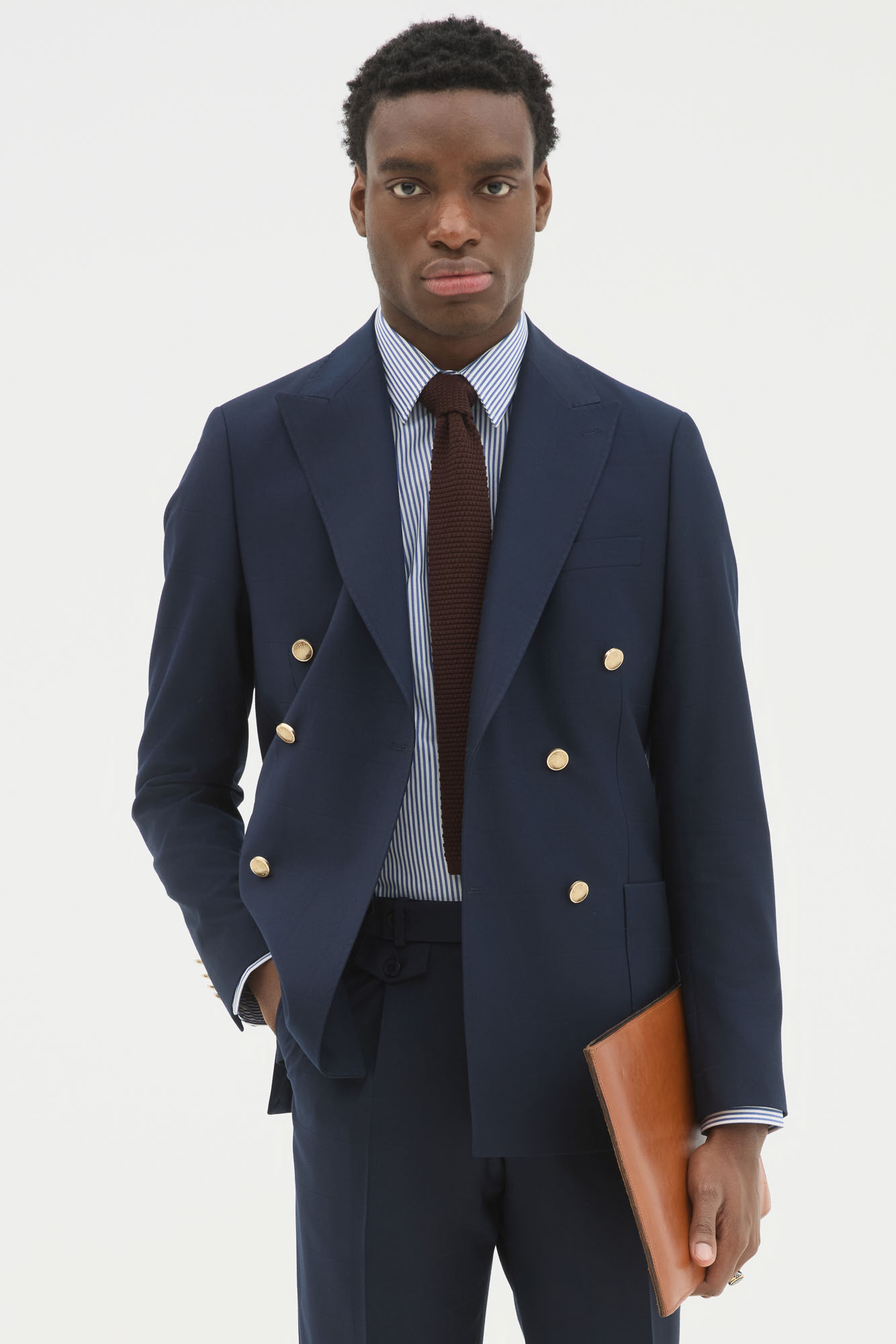
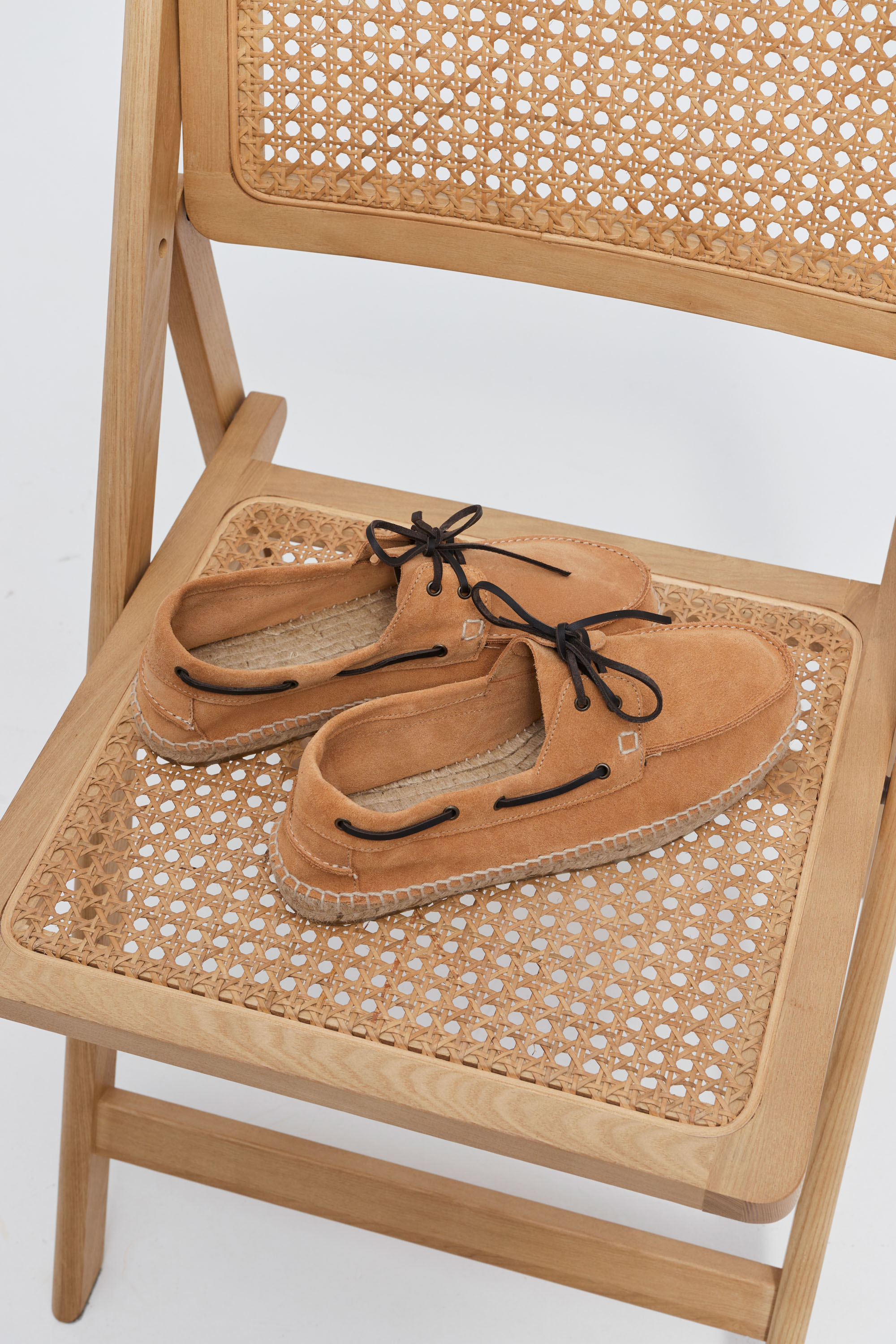
Layering different textures— smooth cotton with brushed wool, structured outerwear with a soft knit — adds depth without visual noise. The result feels thoughtful, not performative.
Refinement often lives in restraint.
A Wardrobe That Supports You
Self-care through style isn’t about indulgence. It’s about intention.
When your wardrobe is built on pieces that feel good, function well, and reflect your pace, getting dressed becomes grounding rather than stressful.
In a month that asks for quiet resilience, that kind of support matters.
Because sometimes the most powerful thing you can wear is alignment.

COPYRIGHT 2026/ALL RIGHTS RESERVED
DESIGNED IN GREECE

THE BRAND
CUSTOMER SERVICE
- +30 2310 692942
MONDAY-FRIDAY 09:00-17:00
Follow us
POWERED BY BNS PRO