







The First Layer Shift: Outfit Attitude Changes With The Weather

24
Mar
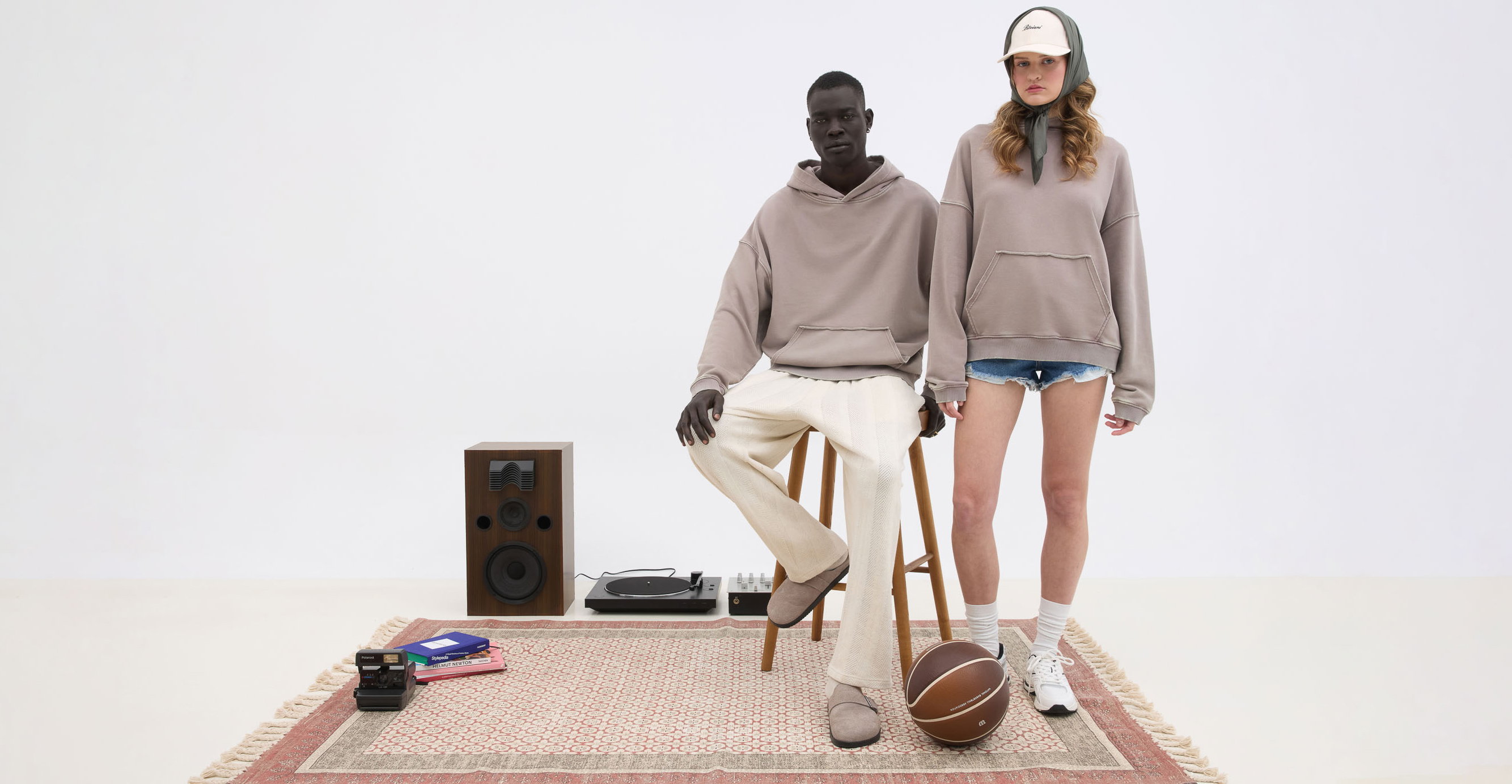
There’s a moment toward the end of winter when something shifts — not dramatically, but noticeably.
You don’t completely change how you dress. The same pieces are still there. The same layers still exist. And yet, the overall feel of your outfit begins to evolve.
This is the first real sign of seasonal transition. Not in outerwear, not in bold choices — but in the layers closest to you.
.jpg?1774347139760)
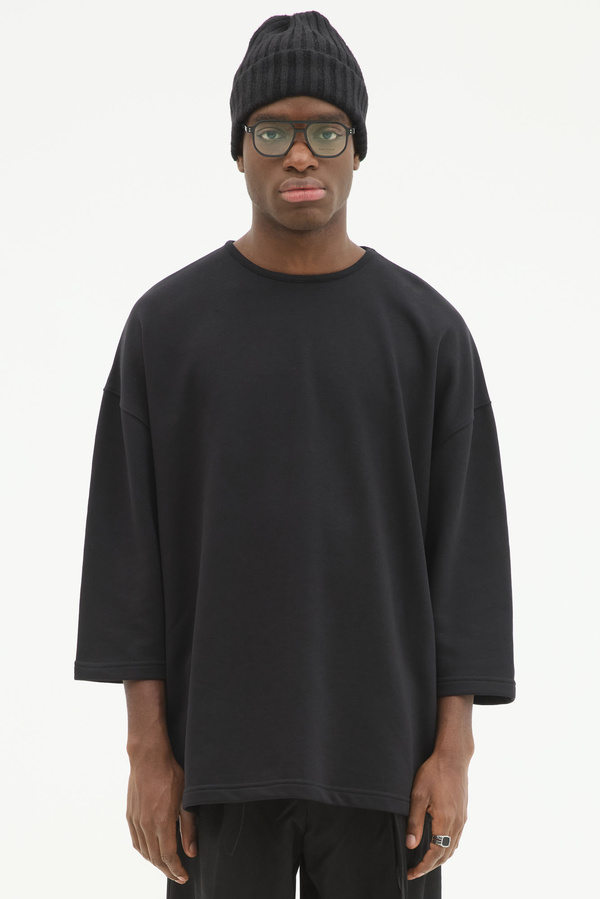
The Base Layer Steps Forward
During winter, base layers stay hidden. They exist for warmth, not visibility.
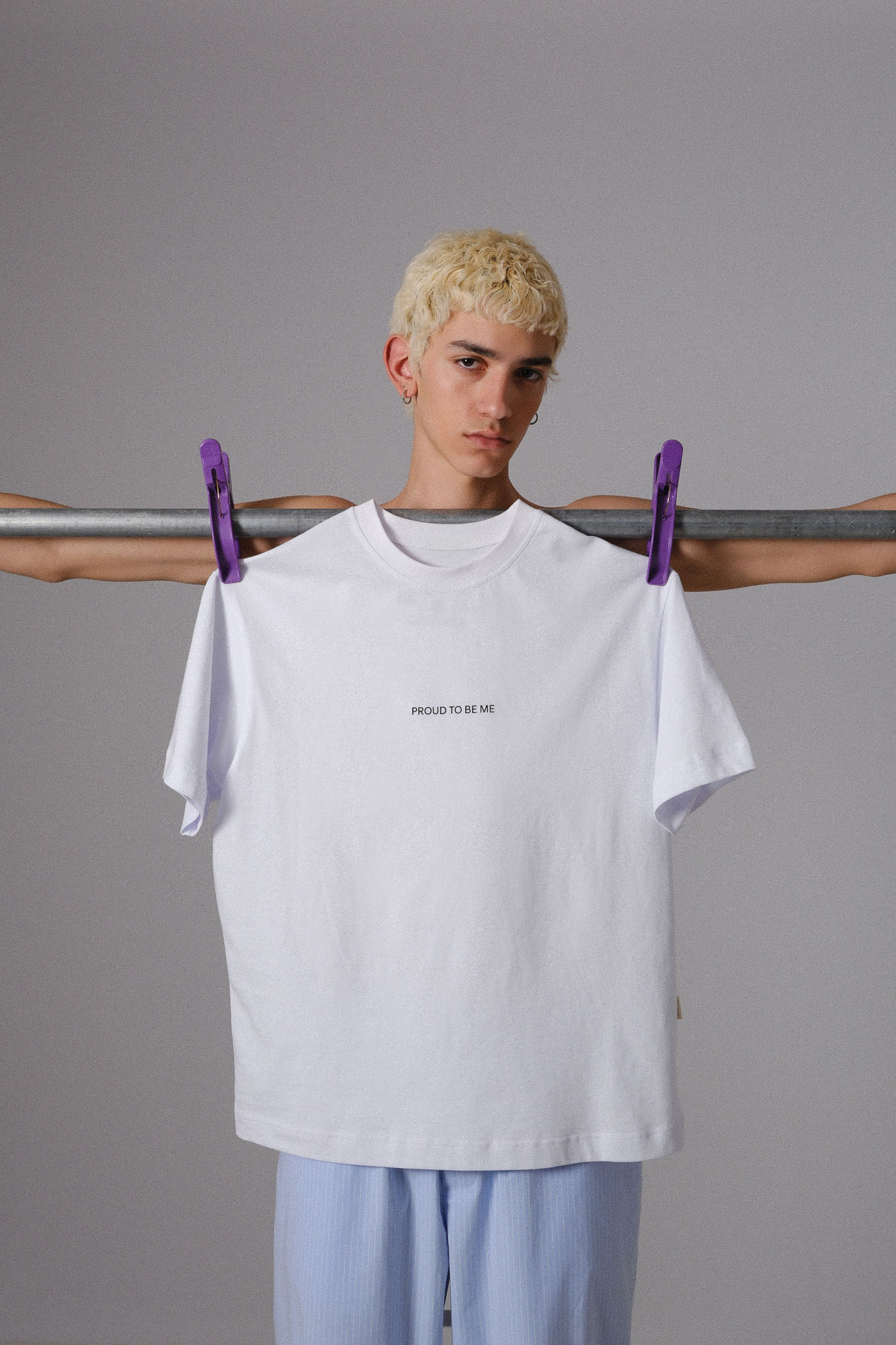
But as the season softens, they begin to take on a new role. A clean long-sleeve tee, a refined cotton top, or a minimal knit starts to become part of the visible outfit.
What was once purely functional now contributes to the overall look.
The shift is subtle — but it changes the balance completely.
.jpg?1774347153474)
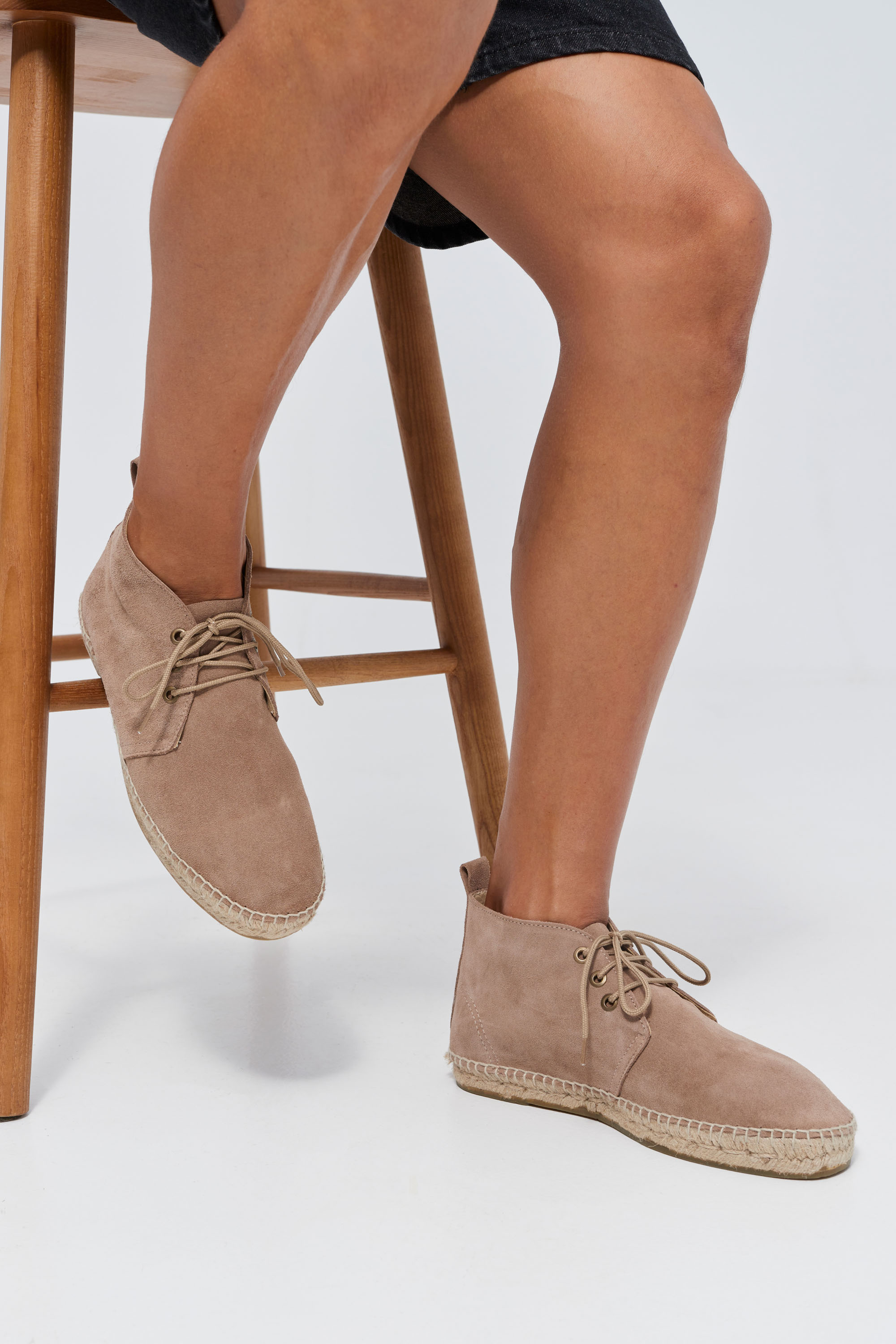
Knitwear Becomes Lighter, Not Absent
You’re not removing knitwear — you’re refining it.
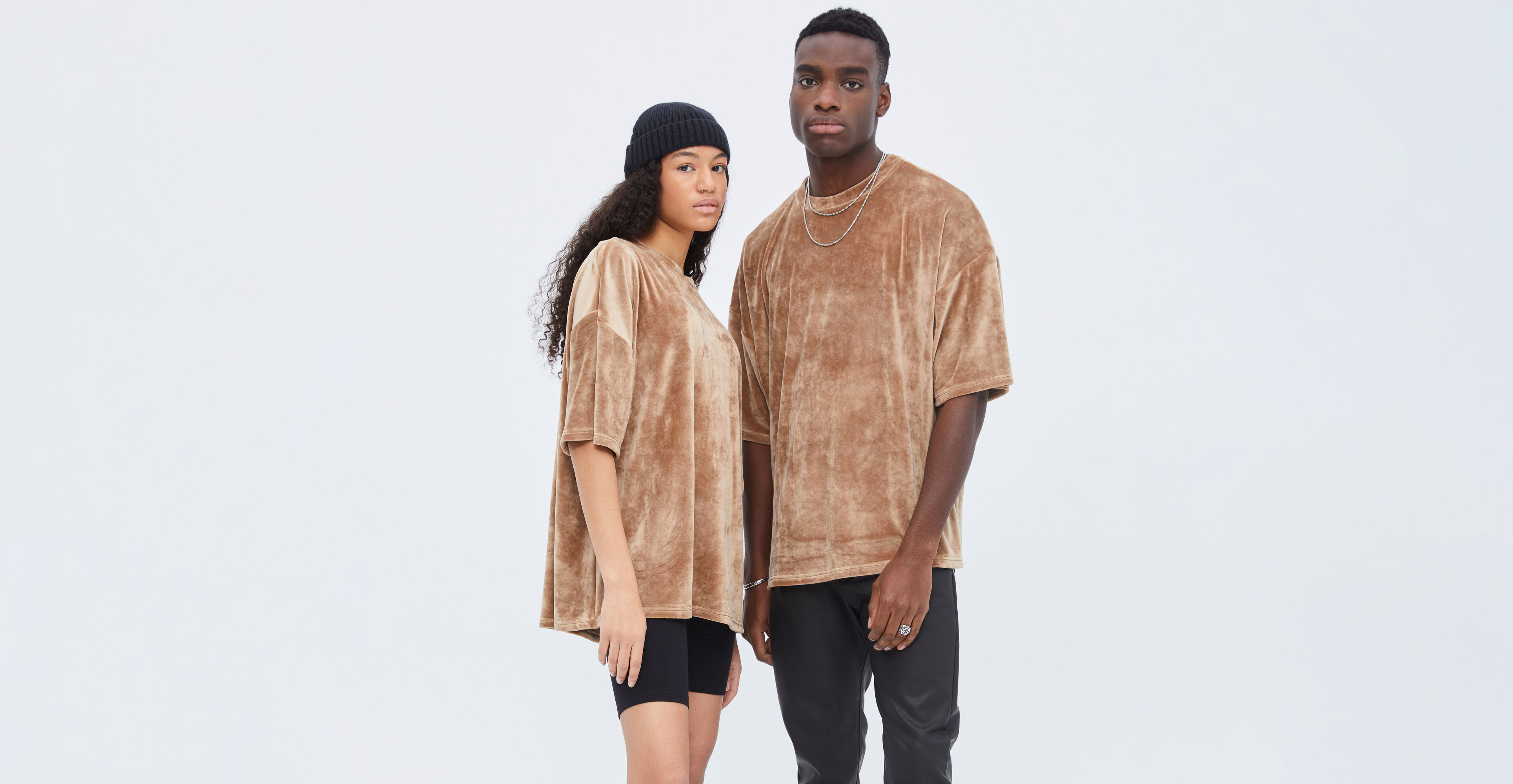
Heavy, dense sweaters give way to lighter, more breathable knits. The texture softens. The silhouette becomes cleaner. Layers sit closer to the body instead of building outward.
This creates warmth without weight — structure without heaviness.
It’s not about dressing less. It’s about dressing more precisely.
.jpg?1774347169521)
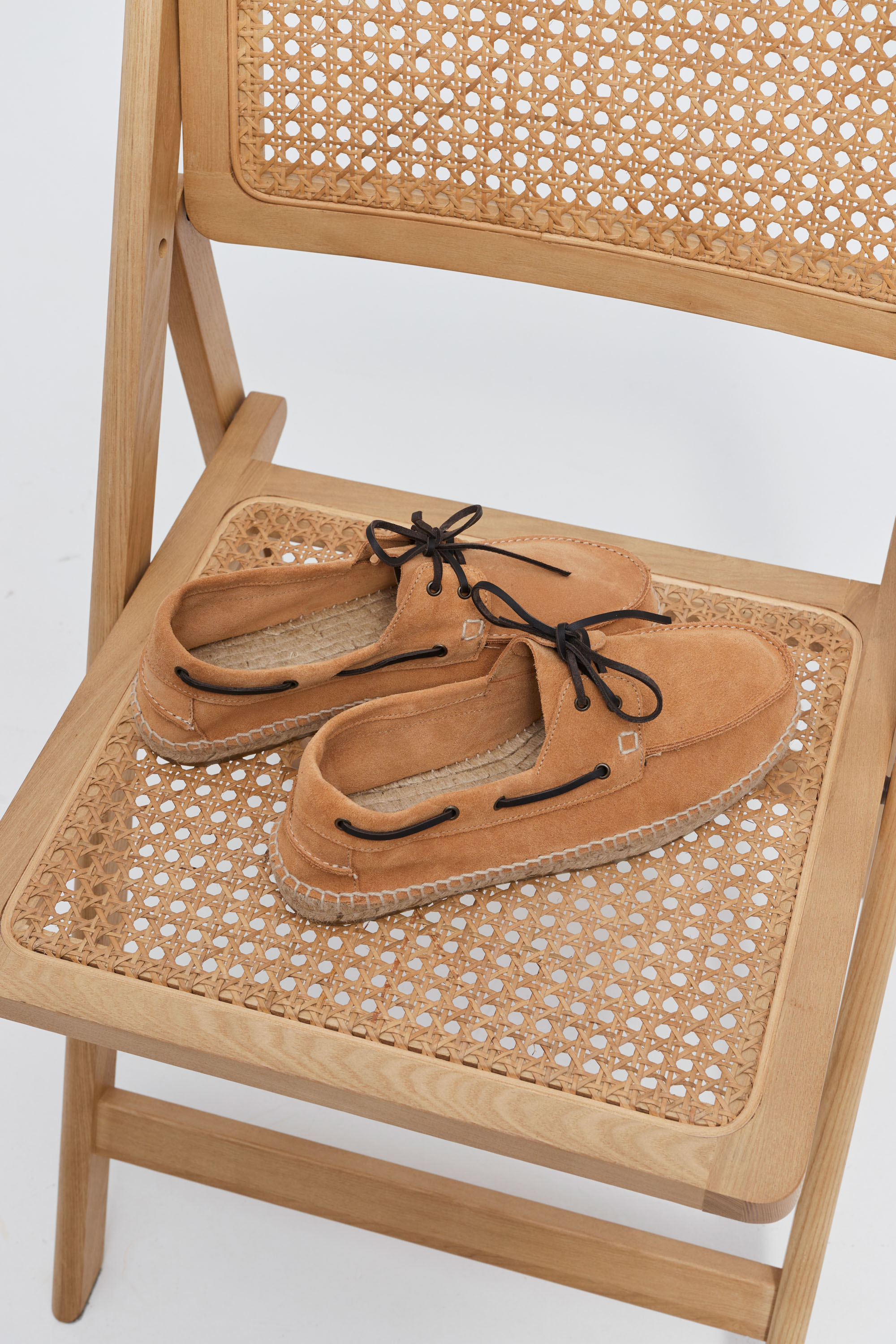
Less Bulk, More Definition
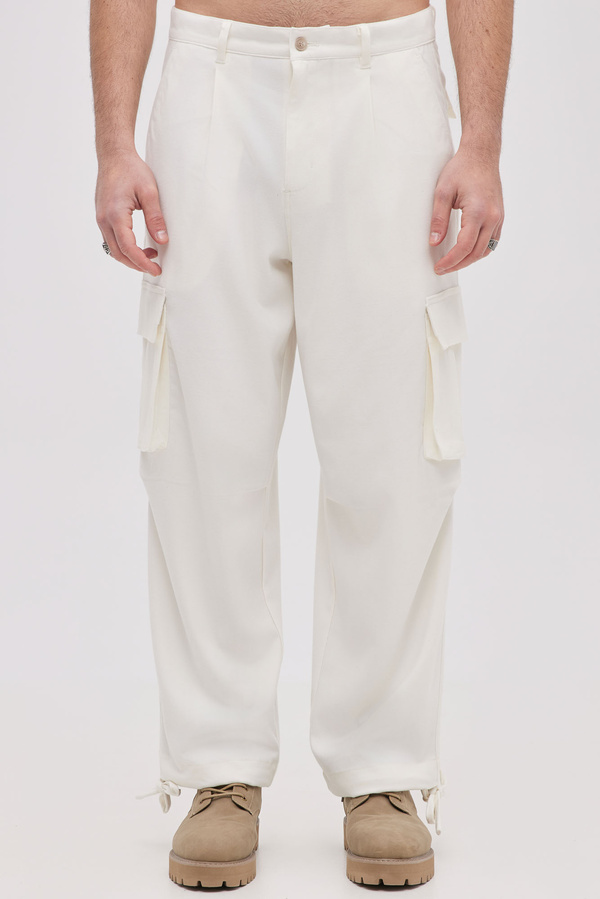
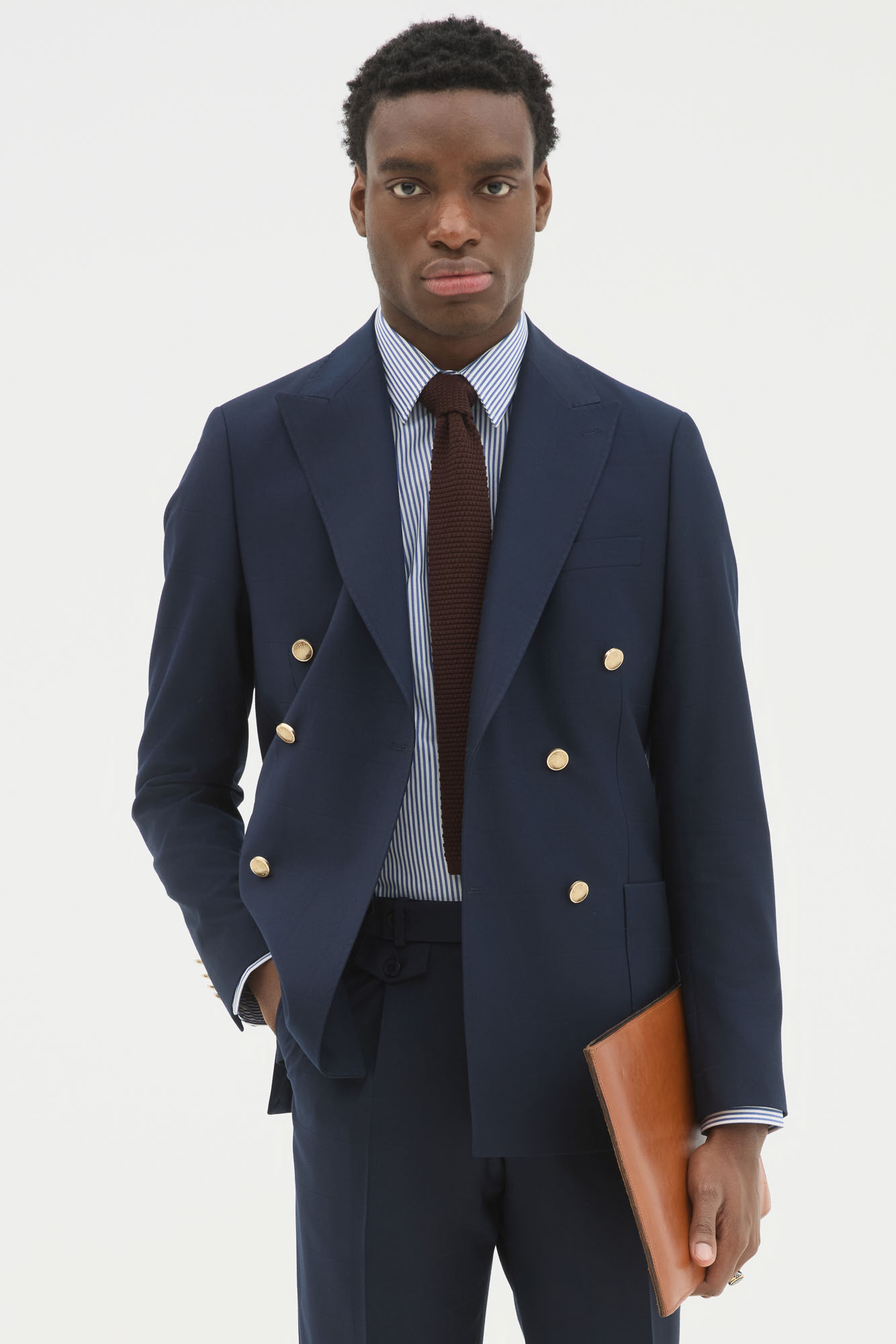
As layers become lighter, outfits begin to look sharper.
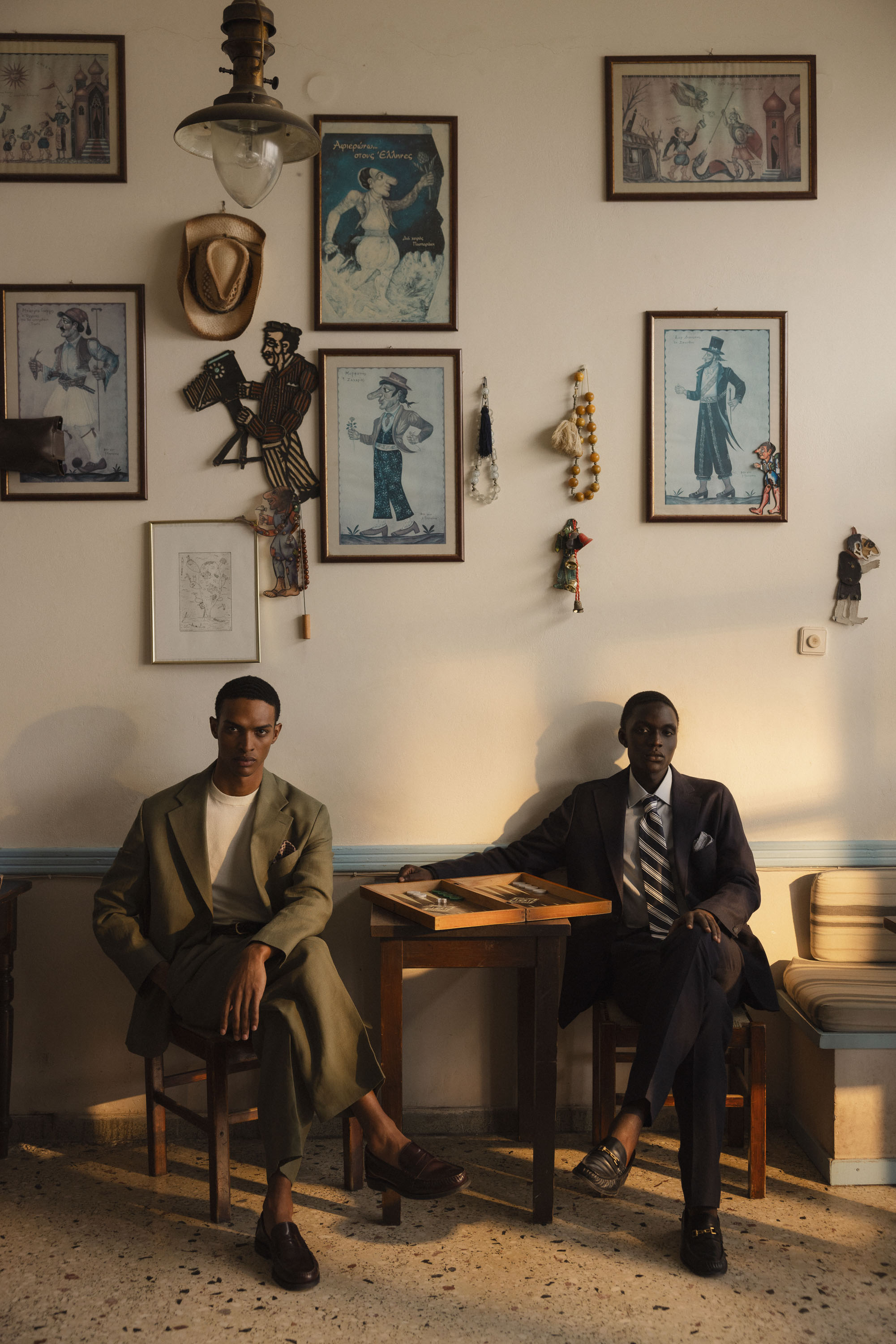
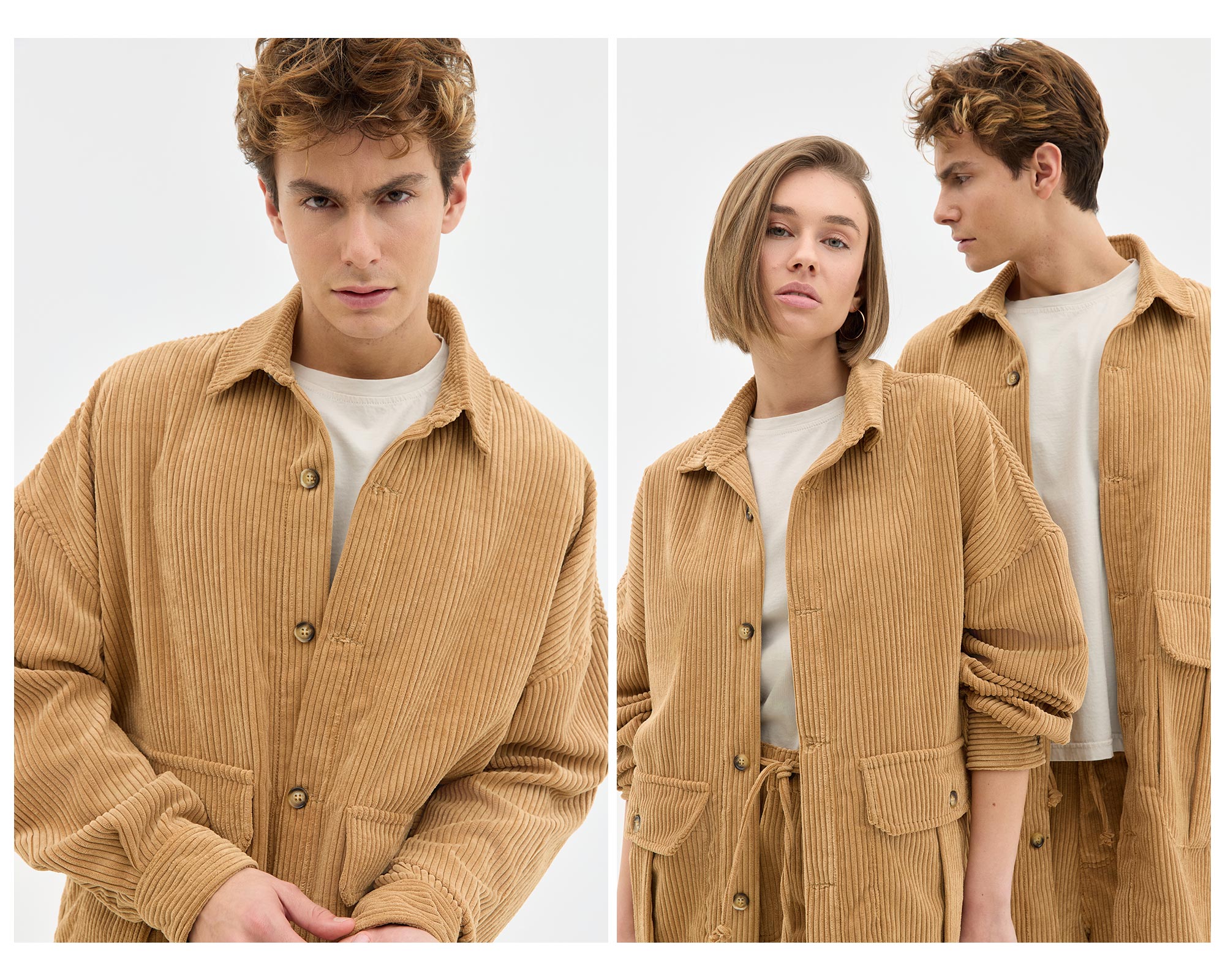
There’s less visual noise. Less overlap. Each piece has space to be seen and understood. A structured overshirt, a clean base layer, and a well-cut trouser feel intentional rather than layered for necessity.
The outfit becomes more about composition than protection.
.jpg?1774347184481)
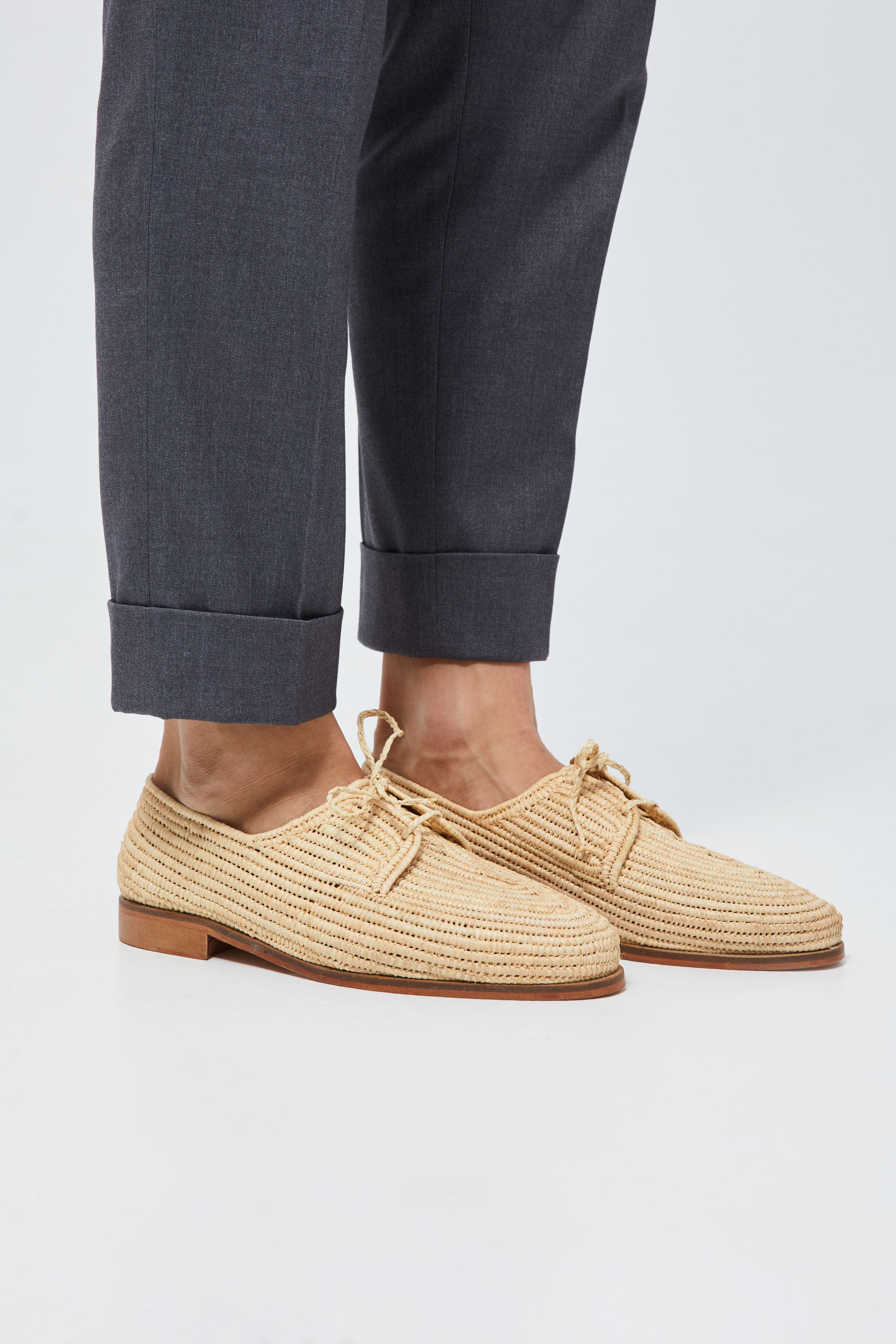
Movement Becomes Part of the Look
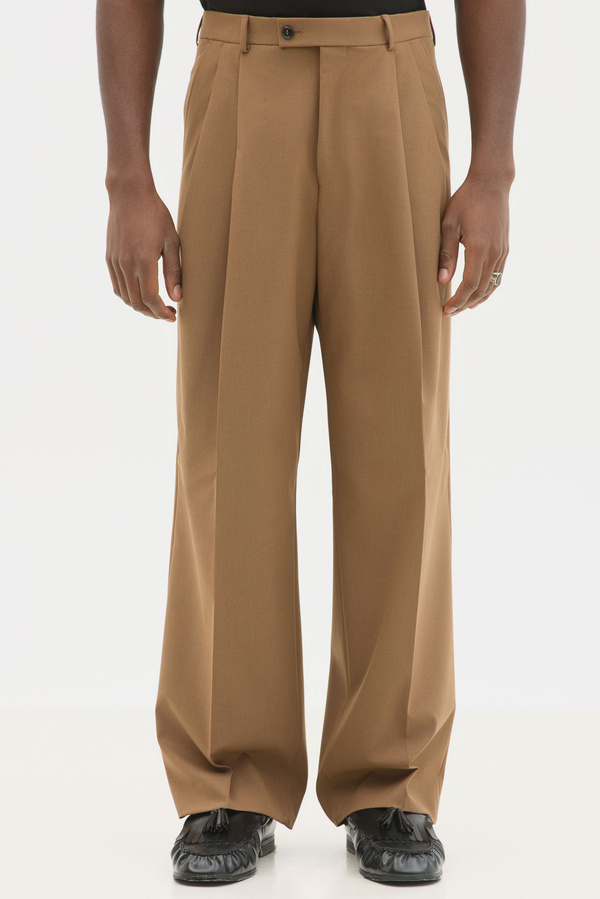
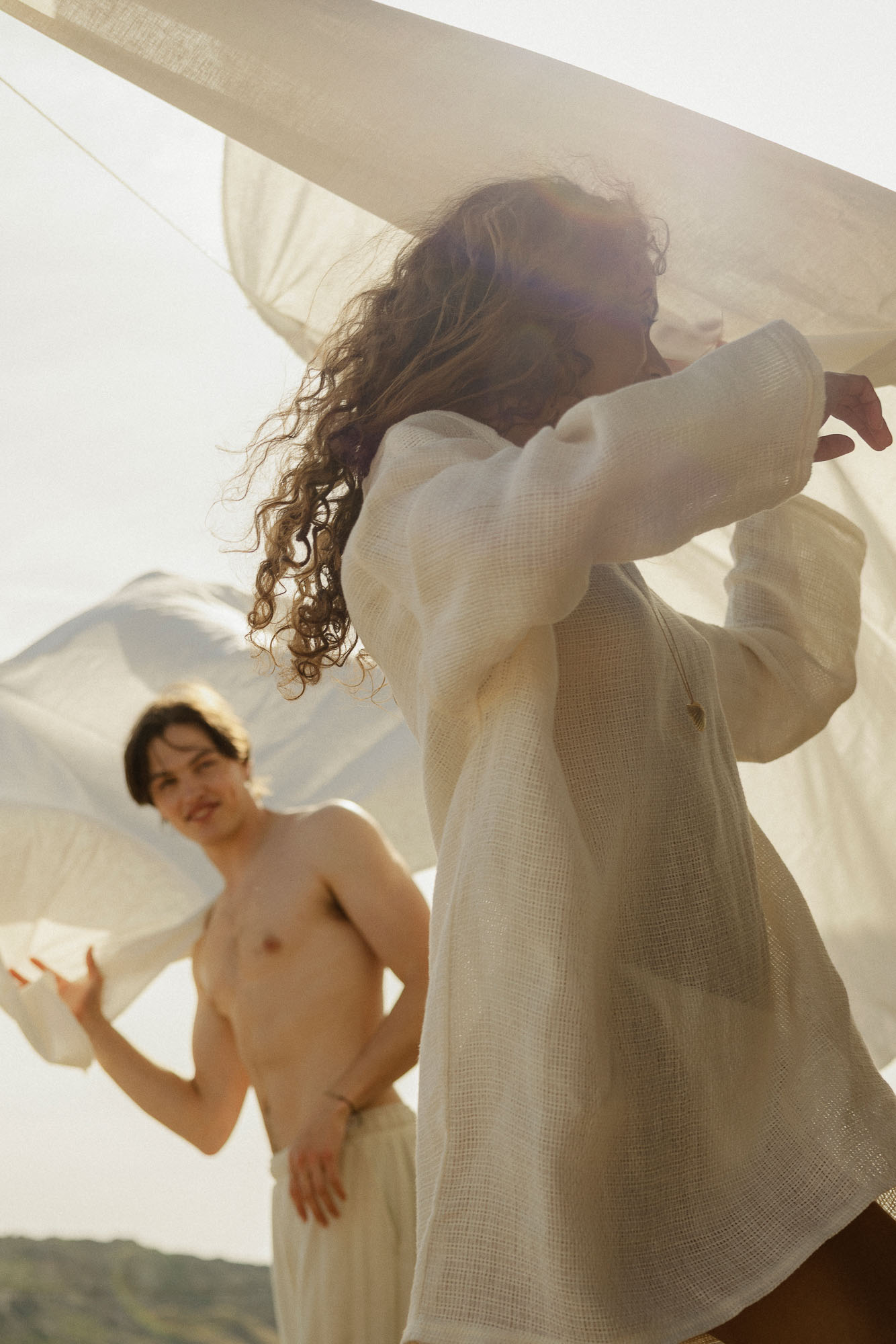
When fabrics lighten, they move differently.
A softer knit follows the body. A lighter jacket shifts as you walk. Trousers fall more naturally. These small movements bring a new kind of presence to the outfit — one that feels more relaxed, more effortless.
Winter often feels still. This is where motion returns.
The Shift Is Subtle — But It Changes Everything
This stage of dressing isn’t about adding something new. It’s about removing what’s no longer needed.
One less layer. One lighter fabric. One softer silhouette.
And suddenly, the outfit feels different.
More open. More fluid. More aligned with the season ahead.
Dressing for the Transition You Can Feel
The first layer shift isn’t something you plan. It’s something you notice.
It happens when your instinct tells you to reach for something lighter. When your outfit no longer needs to work as hard. When dressing starts to feel easier again.
And that’s what defines this moment — not the pieces themselves, but the attitude behind them.
Because sometimes, the smallest changes are the ones that move your style forward the most.

COPYRIGHT 2026/ALL RIGHTS RESERVED
DESIGNED IN GREECE

THE BRAND
CUSTOMER SERVICE
- +30 2310 692942
MONDAY-FRIDAY 09:00-17:00
Follow us
POWERED BY BNS PRO